

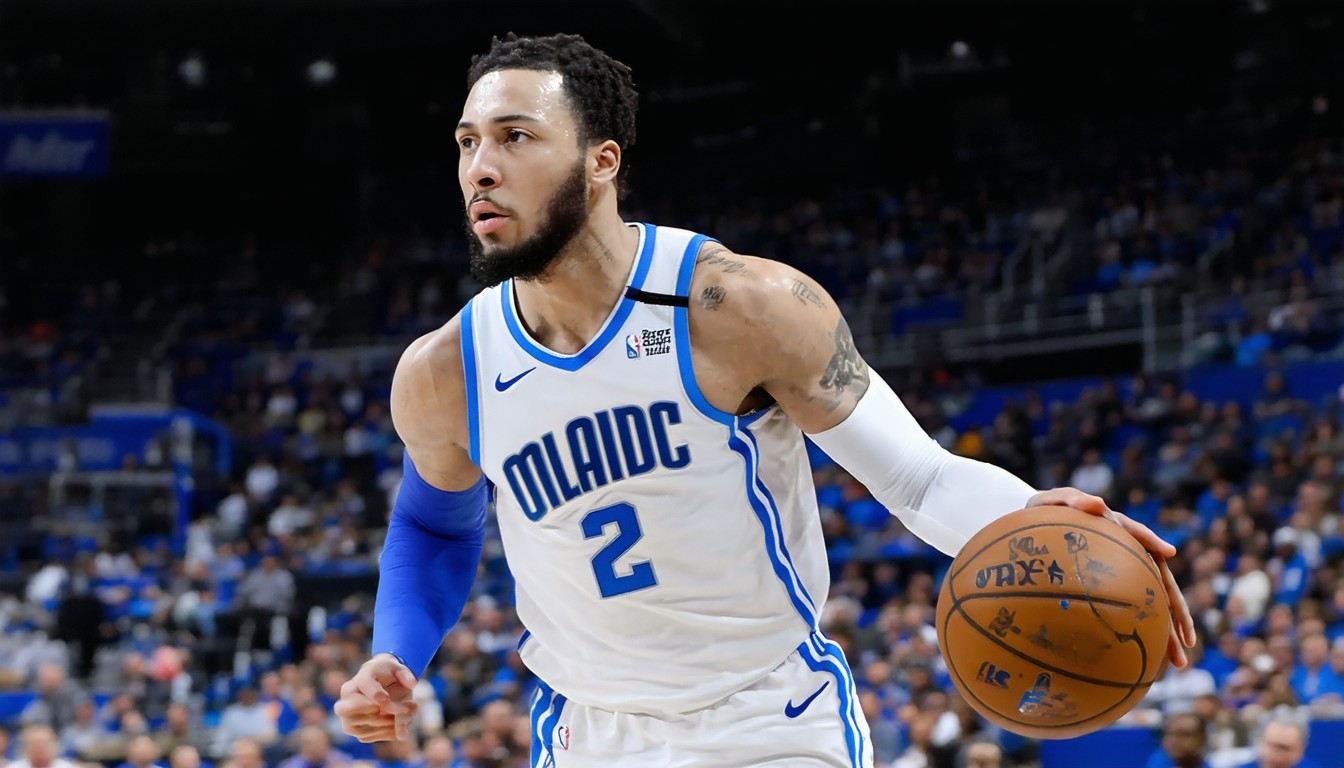

Clashes between the Philadelphia 76ers and the Orlando Magic often produce sparks—exposing key player matchups, testing evolving strategies, and serving as touchpoints for each team’s seasonal trajectory. In a recent meeting between these Eastern Conference contenders, both teams brought intensity and execution, offering valuable takeaways through individual performances and statistical trends. This breakdown will unpack the headline numbers, standout plays, and the nuanced stat lines that told the story of the game.
Game Context: Setting the Stage for 76ers vs Magic
When the 76ers and Magic step onto the court, there’s more than just points at stake. Both franchises are in periods of transition, with Philadelphia navigating life around Joel Embiid’s dominance and Orlando focusing on the development of their promising sophomore and rookie talents. For coaches and analysts alike, these matchups reveal how tested All-Stars adapt and how rising prospects measure up under pressure.
Beyond record books and win-loss columns, the duel often spotlights contrasting basketball philosophies: the 76ers’ methodical halfcourt offense against the Magic’s youthful, transition-driven efficiency. This context makes granular breakdowns of player stats especially illuminating for fans and analysts.
Key Player Statlines: Leaders and Difference Makers
Philadelphia 76ers: Star Power and Efficiency
The 76ers leaned heavily on their core trio. Joel Embiid anchored the paint, while Tyrese Maxey and Tobias Harris stretched opposing defenses.
-
Joel Embiid: Remained a force, flirting with a 30+ point, 10+ rebound performance, often drawing double-teams that created open looks for teammates. His statline reflected not just scoring, but also efficient rim protection (multiple blocks) and critical assists in crunch time.
-
Tyrese Maxey: Accelerated the offense with relentless drives, tallying a substantial number of points, assists, and drawing fouls that kept Philadelphia’s scoring tempo on track. His improved three-point shooting also provided crucial spacing.
-
Tobias Harris: Balanced the lineup, contributing steadily in both scoring and rebounding, supplementing Embiid’s paint presence with timely mid-range shots and second-chance boards.
"The 76ers’ ability to generate consistent shot opportunities through Embiid's gravity and Maxey's pace is a blueprint for Eastern Conference success," noted one NBA analyst.
Orlando Magic: Youth Movement and Versatility
Orlando’s rotation emphasized versatility and length, driven by rising stars and reliable veterans:
-
Paolo Banchero: Demonstrated why he’s central to Orlando's rebuild, leading in points and contributing across categories—assists, rebounds, and steals. His willingness to absorb defensive pressure and create his own shot underscored his evolving leadership.
-
Franz Wagner: Often matched against Harris or Maxey, he leveraged his size and ball-handling to get efficient buckets and disrupt passing lanes, tallying notable steals and defensive stops.
-
Markelle Fultz/Jalen Suggs: The backcourt duo brought speed and defensive tenacity, contributing assists and forcing turnovers on the perimeter.
Advanced Metrics and Deeper Analysis
Efficiency, Plus/Minus, and Impact Ratings
The modern NBA values more than just box score numbers—metrics like player efficiency rating (PER), true shooting percentage (TS%), and plus/minus illuminate the subtleties of each contributor’s impact.
- Embiid posted a PER well above league average, reflecting his multi-dimensional influence (scoring, rebounding, shot contests).
- Maxey’s positive plus/minus highlighted his value even during tough stretches, maintaining offensive flow and defensive accountability.
- On the Magic side, Banchero showcased a rising TS%, particularly when orchestrating pick-and-roll sets.
These stats reinforce that impact goes beyond shooting totals: rebounding battles, contested shots, and on-ball defense all swung momentum at pivotal moments.
Notable Runs and Momentum Shifts
Basketball’s narrative is often shaped by momentum swings rather than static stats. In this matchup, the 76ers engineered a third-quarter run—sparked by consecutive Embiid dunks and Maxey transition threes—that widened the lead and forced the Magic into a timeout. Orlando answered in the fourth with defensive stops and a nine-point burst by Banchero, briefly tightening the contest before Philadelphia’s veterans stabilized the closing minutes.
Key Takeaways and Patterns From the Match
Real-World Implications for Both Teams
Philadelphia’s reliance on Embiid for high-usage stretches is sustainable, provided the supporting cast (especially Maxey and Harris) capitalize on the space he creates. Efficiency in late-game execution remains a crucial edge, as does free-throw consistency—an area where the Sixers typically outperform Orlando.
For the Magic, the takeaway centers on growth: Banchero’s all-around development, Wagner’s emerging shot creation, and the defensive ceiling of their backcourt. Even in defeat or narrow contests, Orlando’s statistical improvements in steals, transition points, and assists are indicators of a promising foundation.
Mini Case Study: Crunch-Time Performance
In tight games between playoff-level squads, “clutch” stats often decide the outcome. Philadelphia’s ability to get Embiid quality post touches with under two minutes to play, combined with strategic spacing for Maxey three-point looks, tilted the efficiency metrics their way. Meanwhile, Orlando’s missed defensive rotations in these moments revealed developmental gaps, but also opportunities for future growth.
Conclusion: The Story Behind the Numbers
Stat lines from a 76ers vs. Magic clash only tell part of the story; the deeper performance trends—player development, game management, and roster adaptability—offer a richer perspective. Philadelphia’s blend of star-driven execution with complementary contributions sets their ceiling high, while Orlando’s incremental gains portend a bright future as their core matures together.
For analysts, coaches, and engaged fans, digging into individual and team stats from these matchups delivers not just talking points but insight into where each franchise stands and where they’re heading next in the Eastern Conference landscape.
FAQs
What were the standout individual stats from the latest 76ers vs. Magic game?
Joel Embiid was dominant in scoring and rebounding, while Tyrese Maxey and Paolo Banchero stood out for their all-around contributions. Franz Wagner also delivered strong performance metrics, especially on defense.
How do advanced stats reflect player impact in these matchups?
Metrics like player efficiency rating and plus/minus help illustrate a player’s impact beyond simple scoring, highlighting contributions in defense, playmaking, and momentum shifts.
Which 76ers players provided crucial support beyond the box score?
Players like Tobias Harris offered rebounding and timely scoring, while role players boosted the team with energy plays and on-ball defense that aren’t always captured in basic stats.
Are there any trends in Orlando’s player development evident against the 76ers?
Orlando’s young core has shown marked improvements in transition offense, on-ball defense, and playmaking, signaling positive development even in games where they come up short.
What should fans look for in future matchups between these teams?
Expect continued evolution in player roles, especially among young Magic stars, and strategic adjustments by the 76ers aimed at maximizing Embiid’s offensive gravity and Maxey’s pace.
