

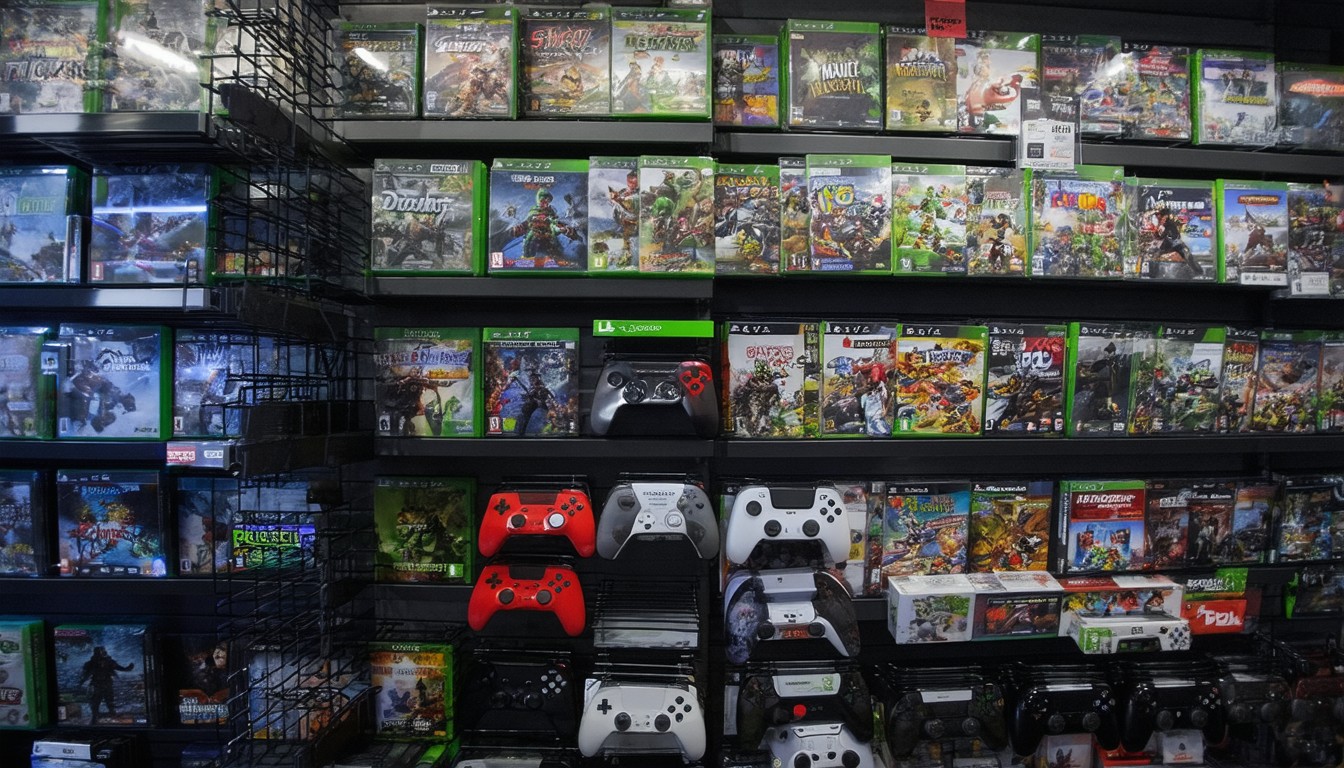

Few retail events capture gamer anticipation quite like GameStop’s Black Friday. In 2019, amid fierce competition from online giants and a changing console landscape, GameStop leveraged its in-store experience and knowledge of core gamers to deliver one of the year's most buzzworthy Black Friday campaigns. With discounts spanning newly released games, legacy favorites, consoles, accessories, and bundles, GameStop’s approach not only fueled holiday excitement but also illustrated retail resilience and adaptation within the gaming industry.
Behind each doorbuster and midnight opening lies a story of evolving gamer demand, shifting inventory strategies, and the continuing relevance of brick-and-mortar events. By examining the top GameStop Black Friday 2019 deals, key consumer trends, and lessons from the campaign, we can better understand GameStop’s role in holiday shopping and trace patterns shaping the retail gaming sector today.
Top GameStop Black Friday 2019 Deals: Games, Consoles, and Bundles
GameStop’s Black Friday 2019 assortment was designed with both passionate and price-conscious gamers in mind. The retailer focused its marketing around significant discounts on flagship titles, heavily promoted console bundles, and highly sought-after gaming accessories.
Featured Game Discounts
GameStop’s featured game sales highlighted blockbuster titles and bestsellers from 2019 as well as critically acclaimed releases from previous years. Some of the most notable deals included:
- Call of Duty: Modern Warfare (2019 release) — marked down from launch price, catering to fans looking to join the latest competitive multiplayer scenes.
- Red Dead Redemption 2 and Spider-Man for PlayStation 4 — discounted to attract new players ahead of sequels and ongoing expansions.
- Nintendo Switch hits such as Mario Kart 8 Deluxe and Super Mario Odyssey — significant, considering Nintendo’s first-party titles historically retain value.
Importantly, select titles saw price reductions of up to 50%, giving both casual and hardcore gamers opportunities to build out their libraries for less.
Console and Accessory Bundles
GameStop’s approach to hardware savings in 2019 was equally ambitious, capitalizing on the late-stage cycle of PlayStation 4 and Xbox One platforms. Bundles were tailored to maximize value and encourage new console adopters:
- PlayStation 4 1TB console bundles with games like God of War, Horizon Zero Dawn, and The Last of Us Remastered — all for a sharply reduced price.
- Xbox One S and Xbox One X bundles — featuring bonuses such as Star Wars Jedi: Fallen Order or additional controllers.
- Nintendo Switch promotions — often coupled with eShop gift cards or included accessories.
Accessory deals ranged from discounted wireless controllers and headsets to charging docks, further enticing shoppers to upgrade their in-home setups.
“GameStop understood that bundling high-demand games with consoles, especially in the pre-next-gen period, would drive both store traffic and incremental sales,” said Will Bishop, retail analyst. “2019’s Black Friday strategy was about value stacking—offering the sense of getting more for every dollar spent.”
In-Store Experience and Shopper Trends
While digital sales captured a growing share of holiday spending, GameStop’s Black Friday 2019 demonstrated the ongoing appeal of traditional in-store shopping—especially among core gaming audiences. Midnight openings, exclusive doorbusters, and trade-in incentives played a significant role in orchestrating the high-energy opening hours.
Foot Traffic and Community Engagement
GameStop’s decision to host early hours and exclusive in-store deals fostered a sense of community rarely replicated online. The presence of knowledgeable staff provided immediate access to gameplay advice, product recommendations, and first-hand troubleshooting. For families and competitive gamers alike, the event became both a shopping mission and a social ritual.
Trade-In Opportunities
One distinctive element of GameStop’s Black Friday offering was its trade-in program—allowing shoppers to offset purchases with pre-owned games, consoles, or accessories. In 2019, enhanced trade-in values and bonuses encouraged budget-minded buyers to participate. This promoted the ecosystem of used games, underscored GameStop’s commitment to affordability, and cemented its differentiation from digital storefronts.
Beyond immediate sales, these strategies fostered longer-term loyalty and positioned GameStop as a gaming hub, not just a transactional outlet.
Lessons from GameStop’s 2019 Black Friday Campaign
Amid the broader shift toward e-commerce and digital game distribution, GameStop’s 2019 Black Friday campaign illustrated several key retail and industry lessons.
Leveraging Exclusive Inventory and Timing
With next-generation consoles on the horizon, both gamers and retailers anticipated a transitional period. GameStop capitalized on this by clearing inventory of legacy platforms and games, all while introducing shoppers to new titles and hardware. Limited-edition bundles and timed deals created urgency, driving foot traffic and online engagement.
Adapting to Consumer Expectations
Just as important, GameStop responded to evolving consumer preferences:
- Price transparency: Clearly marked in-store and online deals reduced friction and built trust.
- Convenience: Buy-online, pick-up-in-store offerings bridged physical and digital retail.
- Experiential retail: Hands-on demos, knowledgeable staff, and trading systems differentiated GameStop from generic big-box competitors.
In a market increasingly driven by immediate gratification and seamless transactions, GameStop’s 2019 campaign offered a hybrid approach—balancing competitive pricing with experiential elements.
The Competitive Landscape: GameStop Versus E-Tailers
The 2019 holiday season underscored the intensifying rivalry between traditional retailers like GameStop and online powerhouses such as Amazon, Walmart.com, and Best Buy’s digital platform. Several unique features differentiated GameStop’s offering:
- Specialty focus: Exclusive, gaming-centric bundles unavailable elsewhere.
- Pre-owned ecosystem: The ability to trade in and buy used games enabled greater affordability.
- Instant gratification: Immediate in-store pick-up—versus waiting for shipping—remained important for many shoppers.
Still, online rivals pushed hard with aggressive discounts and fast shipping. GameStop’s loyal customer base and in-person experiences, however, provided an edge in cultivating community and expert guidance, especially for parents and collectors navigating complex product options.
Conclusion: GameStop Black Friday 2019 – A Reference Point for Retail Adaptation
GameStop’s Black Friday 2019 stands as a strong case study in how specialty retailers can adapt amid fierce competition and market transformation. By offering deep discounts on games, curated hardware bundles, and valuable trade-in bonuses—while simultaneously doubling down on in-store engagement—GameStop maintained its relevance for both new and returning customers.
As digital channels continue to expand their reach, the lessons from 2019 emphasize the value of blending traditional retail strengths with evolving consumer expectations. For gamers and industry observers alike, GameStop’s approach that year remains a benchmark for value-driven, community-oriented holiday campaigns.
FAQs
What were the best GameStop Black Friday 2019 deals?
GameStop’s standout promotions included discounted blockbuster games, major console bundles with popular titles, and savings on accessories like controllers and headsets.
Did GameStop offer any unique advantages over online retailers in 2019?
Yes. Beyond price cuts, GameStop featured limited-edition bundles, a robust trade-in program, and the immediacy of in-store shopping and pickup.
Could customers trade in games or consoles during Black Friday at GameStop?
Absolutely. GameStop increased trade-in values during Black Friday 2019, letting customers exchange old games or hardware for discounts on new purchases.
Were Nintendo Switch deals available at GameStop’s 2019 Black Friday event?
Yes, GameStop offered value-add promotions on Nintendo Switch consoles, typically including bundled games or bonus gift cards.
How did GameStop’s approach compare to competitors?
While online sellers emphasized convenience, GameStop distinguished itself with gaming-focused deals, in-person experiences, and trade-in options that appealed to cost-conscious and loyal gamers alike.
Why did in-store shopping remain important at GameStop during Black Friday?
The in-store experience provided immediate product access, expert staff guidance, and social engagement, all of which contributed to GameStop’s enduring holiday appeal.
