

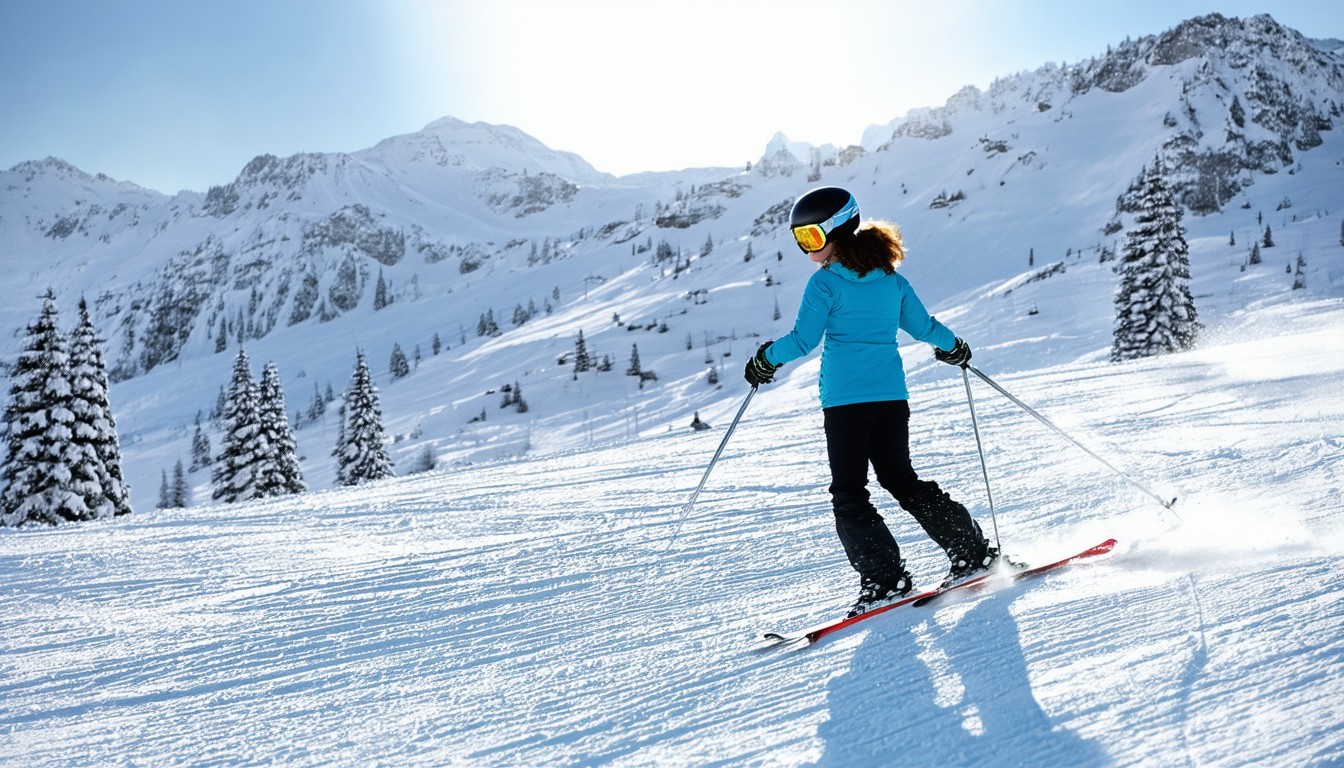

Learning how to ski stands as one of winter’s most exhilarating achievements, inviting novices into a world of snow-covered peaks, crisp mountain air, and the unique thrill of gliding downhill. Yet, for many first-timers, the prospect can be as intimidating as it is exciting. Understanding not only the technical fundamentals but also how to ski safely and confidently is key for every beginner stepping onto the slopes.
Across ski resorts worldwide, instructors witness a wide spectrum of learning curves. While some newcomers are eager adrenaline seekers, others proceed with caution. Most industry professionals agree: progress comes from blending practical skill-building with sound safety habits. As ski tourism continues to grow—driven in part by families, young adults, and adventure-minded travelers—the right guidance toward comfortable, confident skiing has never been more crucial.
Essential Ski Equipment for Beginners
Choosing the Right Ski Gear
Before learning how to ski, acquiring the proper equipment is non-negotiable. For beginners, renting gear at a reputable ski shop is usually the safest bet. Experts recommend focusing on:
- Skis and Bindings: Look for beginner-specific skis that are shorter, more flexible, and easier to maneuver.
- Boots: Well-fitting boots are essential for control and comfort; consult a technician for the safest fit.
- Poles: Not always necessary for first-timers, but helpful for balance and rhythm as skills grow.
- Helmets: Now standard at most resorts and highly recommended for all skill levels.
"For new skiers, properly fitted boots and a helmet are investments in both confidence and safety," says Lisa Coombs, a veteran ski instructor from Colorado. "If you're comfortable in your gear, you’re set up for success on the hill."
Clothing for the Slopes
Layered and weather-appropriate clothing prevents cold-related injuries and adds to enjoyment. Most instructors suggest:
- Base layers made from moisture-wicking synthetic or wool fabrics
- Mid-layer insulation (such as fleece or a lightweight down jacket)
- Waterproof outer shell (jacket and pants)
- Ski-specific gloves, goggles, and warm socks
Preparing Physically and Mentally
Building Balance and Strength
The fundamentals of how to ski safely rest on physical readiness. Focusing on core strength, balance, and flexibility before your first lesson encourages smoother learning. Activities such as yoga, cycling, and balance drills can all help.
Moreover, mental preparation plays a critical role. Seasoned skiers recommend envisioning the movements, reading about technique, and accepting that falling is part of the learning process. A positive, patient mindset often distinguishes quick learners from those who struggle.
Ski Lessons: Why They Matter
Many ski resorts offer group or private beginner lessons. Professional instruction accelerates progress and reinforces proper technique from day one. According to the National Ski Areas Association, most injuries in beginners occur when attempting to self-teach—underscoring the value of expert guidance early on.
Mastering Basic Ski Techniques
The Magic Carpet and Bunny Hill
Every skiing journey starts with mastering movement on gentle terrain. Beginners are introduced to:
- The magic carpet: A conveyor-style lift for easy uphill transport on the learning slope.
- The bunny hill: A shallow, low-angle slope ideal for practicing first moves.
Stance, Balance, and Movement
Key skiing positions and actions include:
- Athletic Stance: Knees slightly bent, weight centered over the arches of the feet, arms forward.
- Gliding: Side-by-side skis, relaxed upper body, looking ahead—not down at the tips.
- Stopping (The Snowplow): Skis angled in a wedge, tips together and tails apart, using gentle inward pressure to slow and stop. Mastery of this move greatly increases beginner safety.
Turning and Speed Control
Once the snowplow is comfortable, instructors introduce basic turning. This involves shifting weight gently to each ski to change direction. Controlling speed through turns, not just with the snowplow, builds both skill and confidence as slopes get steeper.
Avoiding Common Mistakes
- Leaning too far back (common in nervous skiers)
- Looking at feet instead of ahead
- Locking knees or gripping too tightly with the toes
In practice, repetition and clear feedback from instructors resolve these quickly.
Safety Fundamentals and Mountain Etiquette
Understanding Slope Ratings
Most mountains use color-coded trail ratings:
- Green Circles: Easiest, wide and gentle (perfect for beginners)
- Blue Squares: Intermediate; for improving skiers comfortable on greens
- Black Diamonds: Advanced and expert terrain; not recommended for novices
Choosing the right trail, being aware of signage, and never venturing off designated runs are all essential elements of learning how to ski wisely.
Skiing Responsibly
In line with the "Responsibility Code" shared at most ski resorts, beginners should:
- Stay in control and be able to stop or avoid others
- Yield to those downhill
- Avoid stopping where they’re not visible from above
- Observe all posted signs and warnings
Real-World Example: A First-Timer’s Day
Consider Anna, a first-time skier at a Vermont resort. After a morning lesson covering equipment use and snowplow stops, Anna practiced linking turns on the bunny hill under her instructor’s watch. She wore layered, water-resistant clothing and took regular breaks—reducing fatigue and building confidence. By the afternoon, she was independently riding the magic carpet and even tried a gentle green trail, feeling exhilarated but always in control.
Tips for Building Confidence on the Slopes
Start Small and Progress Gradually
Taking time to build foundational skills on easy terrain is smarter than rushing onto steeper slopes. Confidence grows with experience, not speed.
Celebrate Small Wins
Recognizing small improvements—such as a smooth stop, a controlled turn, or a successful ride on the lift—fosters motivation and long-term enjoyment.
Ski With Support
Skiing with friends, family, or peers of similar ability can provide encouragement and a sense of safety—turning the learning curve into a shared adventure.
"The key to learning how to ski isn’t about pushing through fear, but steadily replacing it with skills and experience," explains Rachael Maynard, a ski school director. "Progress at your own pace. The mountain will always be there!"
Conclusion: Embrace the Learning Curve
For anyone learning how to ski, the journey is equal parts physical and mental. With safe, quality gear, professional instruction, gradual practice on gentle slopes, and a positive attitude, beginners can rapidly gain both skill and confidence. Most importantly, skiing responsibly and respecting mountain rules ensures both a rewarding experience and safety for all.
Whether your goal is navigating green trails or one day carving gracefully down a blue, each outing strengthens not just your technique, but your connection with the exhilarating world of winter sports.
FAQs
What is the best way for a beginner to learn how to ski?
Starting with a professional lesson at a reputable resort is the safest and fastest route. Instructors offer immediate feedback and ensure beginners pick up correct habits from day one.
How important is having the right gear for learning to ski?
Properly fitted skis, boots, and a helmet directly affect your comfort and safety. Rental shops at resorts can recommend beginner-specific gear tailored to newer skiers.
Do I need to be physically fit before I learn to ski?
A general level of fitness, especially focused on core strength and balance, helps speed up the learning process. Stretching and light exercise beforehand can reduce soreness and increase enjoyment.
How can I overcome fear or anxiety about skiing?
Taking lessons, starting on gentle slopes, and progressing at your own pace all help build confidence. Skiing with supportive friends and celebrating small victories also makes learning less intimidating.
What are common mistakes beginners make while skiing?
Beginners often lean back, watch their feet, or grip too tightly with toes, all of which make controlling skis more difficult. Relaxing and focusing on proper stance remedies most issues.
Why should I follow the skier responsibility code?
The code exists to keep everyone on the mountain safe. Following it prevents collisions, injuries, and helps beginners integrate smoothly into the wider skiing community.
