

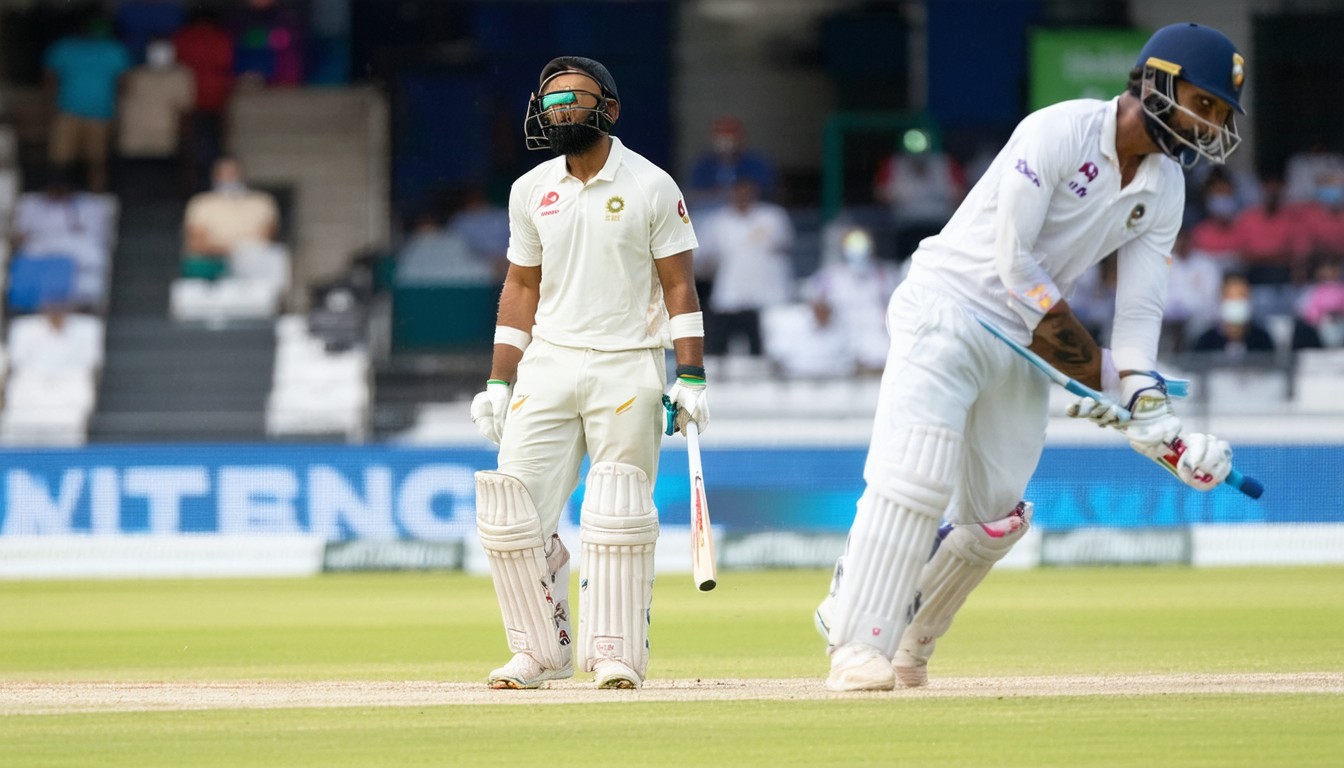

The face-off between South Africa and India has become one of cricket’s most anticipated contests, not just for their rich histories but for their evolving strategies and world-class rosters. When these two powerhouses clash, it’s more than just a game—it’s a benchmark for international cricket standards, and a crucible where rising stars are tested against proven legends. The coming match carries all the hallmarks of a classic: layered storylines, statistical intrigue, and athletes at the peak of their craft.
Historical Rivalry and Recent Form
Cricketing encounters between South Africa and India span decades, each era marked by shifting fortunes. In Test cricket, both sides have enjoyed home dominance, but neutral venues and ICC tournaments have produced close, often unpredictable battles. In white-ball formats, especially ODIs and T20Is, results are less lopsided—India has edged ahead in T20s overall, while South Africa maintains strong records, especially on home soil.
Recent form highlights contrasting approaches. India, led by steadfast leadership and a surplus of batting talent, has shown an ability to adapt formats quickly, moving seamlessly from disciplined Test campaigns to the demands of limited-overs cricket. South Africa, meanwhile, has focused on nurturing emerging talents and building squad depth, with several players making impactful returns following injury or domestic stints.
"The India–South Africa rivalry is unique because both teams have transitioned their core lineups in the last few years, bringing in youth while leaning on experienced campaigners. The result is unpredictable and often enthralling cricket," notes veteran analyst Harsha Bhogle.
Key Stats Leading Up to the Clash
- Overall Test Meetings: South Africa and India have played over 40 Test matches, with South Africa historically dominant at home, while India has turned the tables in recent subcontinental series.
- ODI Encounters: In ODIs, both teams boast win percentages near 50% when playing on neutral or opposing turf, but India has an edge in high-pressure chase situations.
- T20 Head-to-Heads: India narrowly leads, reflecting their prominence in global T20 cricket. However, South African seamers have a knack for delivering breakthroughs at critical moments.
Spotlight on Key Players
India
Virat Kohli
Regarded as one of the game’s finest, Kohli’s performances against South Africa often set the tone. With a career average well above 50 against the Proteas across formats, he anchors the lineup. His fierce competitiveness and tactical prowess make him a match-winner.
Jasprit Bumrah
The spearhead of India’s pace attack, Bumrah is renowned for his unorthodox action and pinpoint accuracy in death overs. He consistently troubles even seasoned South African batsmen, especially on responsive tracks.
Shubman Gill
An emerging star, Gill's batting technique is well-suited to both spinning and seaming conditions. His recent string of consistent scores signals that he might be among the breakout performers in this series.
South Africa
Kagiso Rabada
Rabada’s pace and aggression are well-matched for subcontinental pitches, but he’s equally menacing at home. He’s proven his ability to dismantle top orders, often altering a game’s course with a single spell.
Aiden Markram
Markram’s role as both a steady opener and a flexible middle-order player has provided South Africa much-needed stability. His capability to weather early storms and accelerate when needed will be critical.
Lungi Ngidi
Ngidi’s recent comeback following injury has injected energy into the Proteas’ bowling attack. His knack for extracting bounce and movement makes him particularly effective against Indian batsmen early in their innings.
Tactical Match-ups and Strategic Approaches
Both teams are tactical innovators. India’s preference for playing three front-line spinners in subcontinental conditions is well documented, but against South Africa’s power-hitters and adept players of spin, there’s an impetus to balance this strategy with seamers. With all-rounders like Hardik Pandya offering flexibility, India can adapt to changing match situations.
South Africa, conversely, often leans into its pacer-rich heritage. The ability of Rabada, Nortje, and Ngidi to exploit even minimal assistance from the surface means India’s top order must be vigilant, especially early on. The Proteas' recent experiments with their batting order—promoting Markram or including hard-hitting middle-order talents—showcase their willingness to be bold.
Powerplays and Death Overs
Control in the powerplay, both with bat and ball, will be a key battleground. Historically, whichever side has gained early ascendency has imposed scoreboard pressure that often dictates the game’s tempo. In the death overs, innovative batting and bowling skills—such as Bumrah’s yorkers or South Africa's lower-order hitting—can swing momentum.
Match Venue Insights and Expected Conditions
The choice of venue plays a decisive role in shaping outcomes. In South Africa, seamer-friendly wickets tend to favor the home side, while Indian grounds test technique and temperament with their slow turners and low bounce. Weather and pitch reports often lead to late changes in strategy; both captains have shown a willingness to make bold calls at the toss.
Notably, venues like Newlands or Wankhede have seen memorable finishes—high scoring chases, remarkable collapses, or spellbinding bowling. Spectators and analysts alike closely track the grass cover, humidity, and potential for dew, all influencing team selections and batting-bowling orders.
Match Highlights to Watch For
Beyond raw statistics, several narrative threads elevate this contest. The battle between top-order Indian batsmen and South Africa’s pace trio is often a miniature Test within the match. Likewise, the performance of all-rounders—be it Pandya for India or Marco Jansen for South Africa—can tilt the balance, especially in the final overs.
Fielding standards have also risen in both camps, with moments of brilliance—diving stops, direct-hit run outs—serving as game-changers.
Conclusion
The South Africa vs India cricket rivalry continues to offer a masterclass in high-stakes international sport. With a distinguished history, a rich statistical canvas, and lineups packed with match-winners, this fixture is set to engage both purists and casual fans. Adaptability, execution under pressure, and exploiting home or away conditions will define the winning edge. For teams and fans alike, each instalment adds another chapter to a legacy marked by intensity and mutual respect.
FAQs
What time does the South Africa vs India match start?
Match timings typically vary depending on the format and local broadcasting agreements. Fans should check updated schedules from official cricket boards or broadcasters for exact start times.
Who has the better head-to-head record—South Africa or India?
Historically, South Africa holds the edge at home, while India has narrowed the gap with notable away performances, especially in limited-overs cricket.
Which players have performed best in this rivalry?
Key figures like Virat Kohli, Kagiso Rabada, and Jasprit Bumrah have delivered standout performances, often shaping the outcome of recent encounters.
What factors could influence the result of this match?
Pitch and weather conditions, team compositions, and the form of key players—especially openers and frontline bowlers—are often decisive in this fixture.
Where can fans watch South Africa vs India live?
Major sports broadcasters in both countries typically air these matches live. Streaming platforms and official cricket board websites often provide additional viewing options.
How often do India and South Africa play each other?
While exact frequencies depend on ICC scheduling cycles and bilateral agreements, these teams usually face off several times each year across formats, both in series and at major tournaments.
