

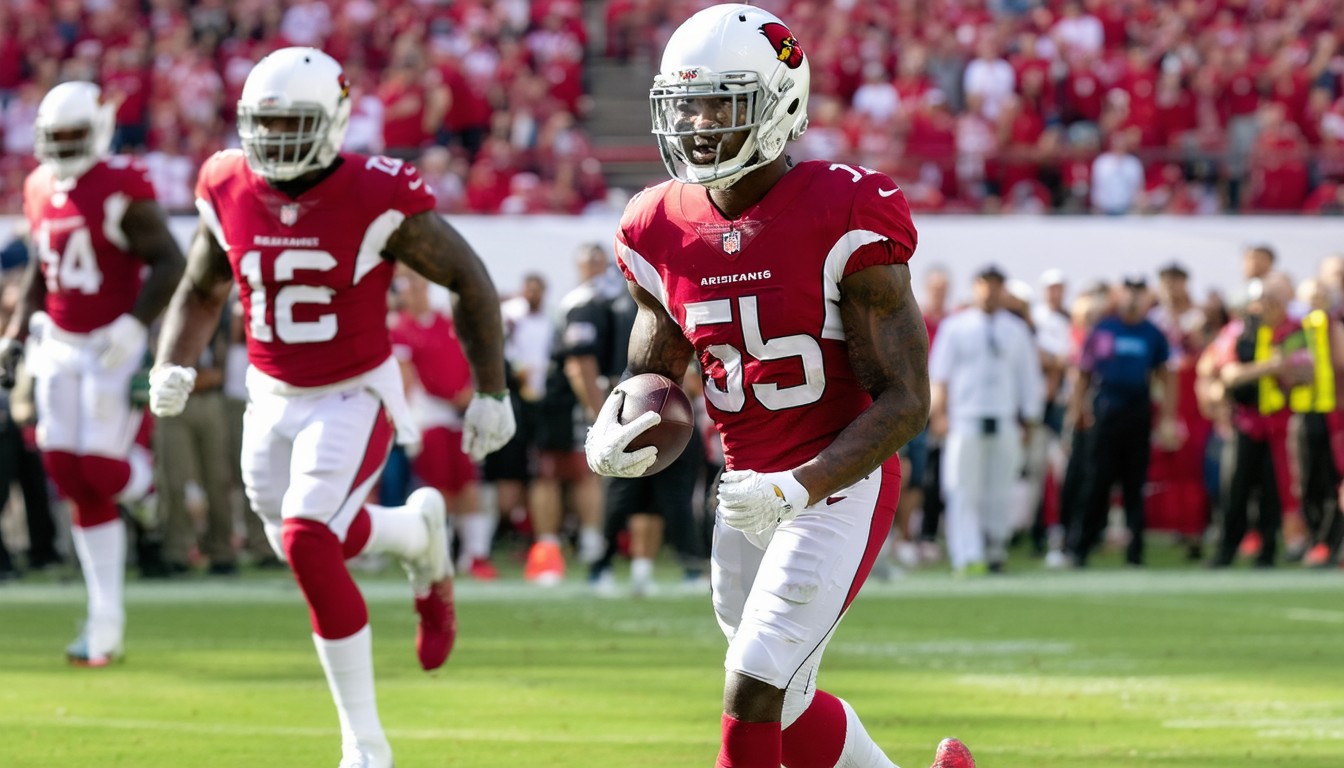

When the Arizona Cardinals face off against the Seattle Seahawks, it's more than just a regular season NFL matchup—it's a test of resilience, strategy, and individual brilliance. The narrative between these two NFC West rivals is shaped not only by their history but also by the evolving talent on both rosters. Analyzing player stats from their recent contests offers deep insights into team dynamics and future performance, providing a nuanced look at which athletes are making the biggest impact. Whether for passionate fans, fantasy football managers, or data-driven sports analysts, understanding the minutiae behind the numbers reveals trends that can decide a divisional race.
Breakdown of Key Player Stats: Offense Sets the Tone
Quarterback Performance: The Game Managers
Quarterbacks command the spotlight in any NFL showdown, and matchups between the Cardinals’ Kyler Murray and the Seahawks’ Geno Smith have delivered varied statistical outputs.
Murray, known for his dual-threat capability, has often logged significant rushing yards to complement his passing, keeping defenses guessing. For example, in recent meetings, he’s averaged over 250 passing yards with multiple touchdowns—albeit offset at times by turnovers under pressure from Seattle’s opportunistic secondary. Geno Smith, meanwhile, has emerged as a reliable passer since taking over the helm, boasting impressive completion percentages and the ability to spread the ball among receivers.
The quarterbacks’ head-to-head comparison can be summarized:
- Kyler Murray: High rushing attempts per game (often top 5 among QBs), quick decision-making, and ability to extend plays.
- Geno Smith: Efficient passer rating, low interception rate, and strong chemistry with top targets like DK Metcalf and Tyler Lockett.
Running Backs and Ground Efficiency
On the ground, the Seahawks have traditionally relied on a committee approach. In stark contrast, Arizona has leaned on feature backs such as James Conner, whose hard-nosed style results in tough yardage. Often, Conner averages over 4 yards per carry against Seattle's front seven, providing stability and clock control.
The Seahawks' young backs, including Kenneth Walker III, combine speed with tackle-breaking abilities. Despite occasional struggles with run blocking, Walker’s big-play potential remains a threat, often highlighted by explosive gains of 20+ yards.
Wide Receivers and Playmakers
Both teams showcase a mix of possession receivers and deep threats. Arizona’s DeAndre Hopkins (when healthy) has provided a safety blanket, leading the team in targets and yards per reception during key matchups. Rookie or breakout seasons from younger receivers continue to influence target distribution.
Seattle, meanwhile, benefits from the vertical prowess of DK Metcalf and the route precision of Tyler Lockett. Together, they're among the NFL's most prolific duos, consistently posting performances with over 100 combined receiving yards per game in divisional contests.
"Games between the Cardinals and Seahawks are decided at the skill positions. The ability for playmakers to win one-on-one battles—whether down the sideline or in the open field—tips the balance," notes an NFC West scout.
Defensive Standouts: Impact Beyond the Scoreboard
Pass Rush and Sack Production
Defensive lines often do the heavy lifting in this rivalry. Arizona’s ability to generate pressure, led by edge rushers such as Markus Golden or emerging talents, keeps quarterbacks on their heels. Game logs often show 2-3 sacks per contest, but disruption extends beyond raw sack numbers—hurries and passes defensed also alter Seattle’s game plan.
Seattle, boasting a mix of veterans and youth (including Bobby Wagner’s leadership at linebacker), counters with a disciplined scheme designed to limit explosive plays. Consistent tackling and timely blitzes often keep Arizona’s rush offense in check, especially near the red zone.
Turnover Battle
Turnovers are frequently the deciding factor. In this series, defensive backs like Budda Baker (Cardinals) and Quandre Diggs (Seahawks) have swung momentum with game-changing interceptions or forced fumbles. In fact, games where either team records multiple takeaways usually end in their favor, underscoring the high-risk, high-reward style both teams sometimes adopt.
Tackling and Run Defense
Open-field tackling is critical. Missed tackles have often turned short gains into momentum-shifting plays, particularly when facing elusive players like Murray or Walker. By the numbers, tackling efficiency (measured as tackles made versus attempts) runs high for both squads, placing them among the top half of the league during divisional showdowns.
Special Teams and X-Factors
Kicking Game and Field Position
Often overlooked, special teams play a pivotal role in close games. Both the Cardinals and Seahawks have fielded reliable kickers capable of long-range conversions under pressure. Punter performance, especially in field-flipping situations, has given each side opportunities to control tempo and field position.
Return Specialists and Hidden Yards
Hidden yardage in the return game can be a difference-maker. When one side breaks a long return, it shifts tactical options for the offense—shortening fields and providing scoring chances that may not appear in basic box score stats.
Real-World Implications and Analytics Trends
Beyond surface-level stats, advanced analytics deepen the understanding of these contests. For example, Next Gen Stats provides route-tracking data, separation metrics, and quarterback time-to-throw, all of which illustrate the chess match between offensive scheming and defensive coverage.
Coaches increasingly rely on these data points for in-game decisions. As seen in recent Seahawks-Cardinals meetings, aggressive fourth-down attempts and tailored defensive packages reflect a shift toward analytics-informed football in the NFC West.
Mini Case Study: Week 7, 2023
During their 2023 match, both teams accumulated over 300 yards of total offense, but the Seahawks’ ability to convert on third down (over 50% success rate) and their defensive red zone stands defined the outcome. Kenneth Walker III broke free for a late touchdown, while Quandre Diggs’ timely interception sealed the result.
Conclusion: What the Numbers Tell Us
Match player stats from Arizona Cardinals vs Seahawks games not only reveal standout performances but also tell the story of evolving team identities. By examining quarterback efficiency, explosive plays, and defensive resilience, clear patterns emerge: turnovers and field position often define the final score, but it’s individual brilliance—backed by effective teamwork—that ultimately tips the scale.
Teams and analysts alike will continue to dissect these stats, seeking any edge in a rivalry that remains one of the NFC West’s most compelling.
FAQs
What are the key player stats to watch in Cardinals vs Seahawks games?
Quarterback efficiency, rushing yards from running backs, and combined receiving yards from top wideouts provide the best indicators of offensive success. Defensive stats such as sacks, tackles, and turnovers are equally significant.
Who has historically performed best in these matchups?
Players like Kyler Murray and DK Metcalf have posted notable performances, often leading their respective teams in critical categories such as touchdowns and yards gained.
How do turnovers impact the outcome?
Turnovers tend to be game-changers. Teams that win the turnover battle in these matchups have a strong track record of securing victory.
Do special teams play a big role between the Cardinals and Seahawks?
Yes, both kicking accuracy and return yardage have influenced the momentum and field position in close contests, sometimes even affecting the final result.
What analytics are most useful for analyzing these games?
Beyond traditional stats, advanced metrics like completion percentage over expected, average yards after contact, and defensive pressure rates offer deeper insight into both team strategies and individual contributions.
How does player health or injury status factor into performance?
Injuries to key players—especially quarterbacks and top receivers—frequently dictate the effectiveness of game plans and can radically alter statistical trends for either team.
