

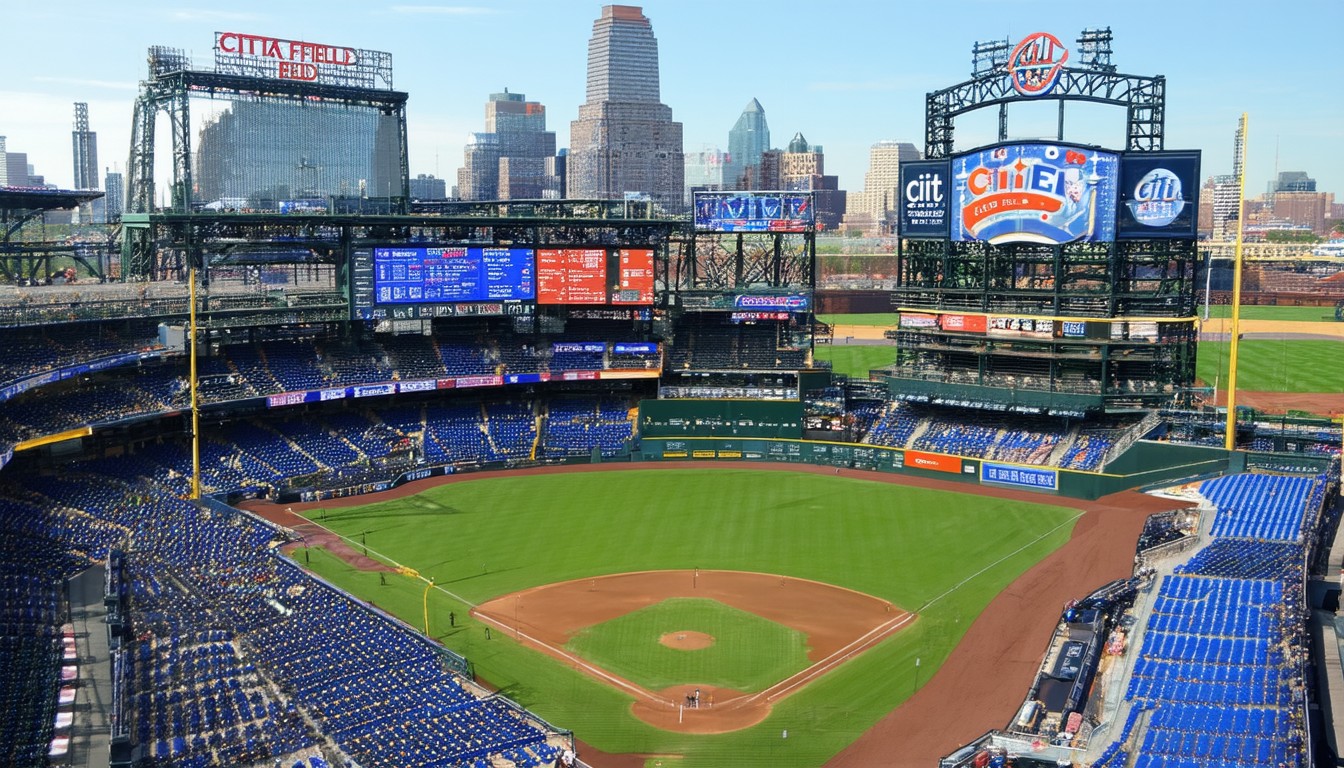

As the race to secure one of New York City’s limited downstate casino licenses intensifies, Queens has emerged as a focal point with the ambitious proposal to build a casino adjacent to Citi Field. Backed by Mets owner Steve Cohen, the Citi Field casino proposal aims to transform the underused Willets Point area into a dynamic entertainment and hospitality district. This development is more than just a gambling complex—it promises to reshape the economic and cultural fabric of the neighborhood, raise critical debates about urban growth, and reflect wider trends in casino-based revitalization efforts across major cities.
Proposed Location: Why Citi Field?
Strategic Positioning in Queens
Citi Field, home to Major League Baseball’s New York Mets, is uniquely positioned at the crossroads of major transportation arteries. The proposed casino site sits on parking lots bordering the stadium, just steps from the 7 train, LIRR, Grand Central Parkway, and LaGuardia Airport. This location offers exceptional accessibility, not just for New Yorkers but also for tourists and those traveling from Long Island and beyond.
The area surrounding Citi Field has long been seen as ripe for redevelopment. Historically an expanse of parking and vacant land, the Willets Point district has been the subject of numerous urban renewal pitches, but stalled progress has left its potential largely untapped. This casino bid—if successful—could catalyze much-needed investment in infrastructure, housing, and public amenities.
Context: New York’s Downstate Casino Licensing
New York State’s move to authorize up to three casino licenses in the downstate region set off a flurry of proposals from real estate heavyweights, gaming operators, and sports franchises. The Citi Field plan faces stiff competition from other high-profile bids, including proposals for Times Square, Coney Island, and Hudson Yards. Ultimately, the Gaming Facility Location Board will weigh factors like economic impact, community benefit, and political support as it selects the winning projects.
Features and Vision: More Than a Casino
Integrated Entertainment District
What differentiates the Citi Field casino bid is its scope and ambition. Rather than simply adding slot machines and poker tables, developers envision a holistic entertainment corridor—tentatively dubbed “Metropolitan Park.” Key features would likely include:
- A luxury hotel and resort accommodations
- High-end and casual dining options
- Concert venues and event spaces
- Outdoor green spaces and programmed parks
- Retail, cultural, and community amenities
- Connection to Citi Field and potential integration with Mets events
By integrating diverse experiences, the proposal seeks to appeal to families, locals, and international tourists alike—broadly echoing mixed-use casino developments in cities like Las Vegas and Singapore.
"The real innovation isn’t just the casino floor, but how you build a destination that stitches together recreation, culture, and community.” — Observes a leading urban economic analyst.
Economic Development and Job Creation
Casino advocates highlight potential economic benefits, including thousands of construction and permanent jobs, significant tax revenue, and a boost to local hospitality and tourism. According to proponents, the project could generate billions in direct and indirect spending, though estimates vary widely depending on final project scope and licensing terms.
Opponents, and some local civic leaders, argue that the social costs—from problem gambling to increased congestion—may offset these gains. For this reason, community engagement and impact assessment have become cornerstones of the ongoing debate.
Development Plans and Regulatory Hurdles
Approval Process and Community Feedback
Securing the right to proceed involves navigating a complex regulatory maze. Key steps include:
- Winning approval from the state’s Gaming Facility Location Board.
- Securing city and state land use permissions, a particularly thorny issue given much of the proposed site is designated as parkland.
- Conducting extensive environmental, traffic, and social impact reviews.
- Building support across a diverse set of stakeholders, from local residents and business owners to elected officials and advocacy groups.
Steve Cohen and his team have launched listening sessions, hosted open forums, and pledged millions to community programs in an effort to build a broad coalition.
The Parkland Challenge
One unique wrinkle: The targeted parcels are officially classified as municipal parkland. State legislation would be required to “alienate” this parkland—essentially allowing it to be redeveloped for commercial purposes. This legal hurdle has tripped up previous redevelopment efforts and is expected to be hotly contested.
Timelines and Competitive Pressure
If the Citi Field casino bid receives state approval and clears local obstacles, construction could begin within a couple of years, with doors potentially opening by the late-2020s. With multiple well-funded proposals in the running, political alliances and public sentiment will play pivotal roles in determining which vision for New York’s casino future becomes reality.
Community Response: Divided Opinions in Queens
Discussions around the Citi Field casino have exposed deep divisions within the community.
Local Support and Aspirations
Many residents and business groups see the proposal as a lifeline for Willets Point, which has long grappled with economic stagnation, poor infrastructure, and a lack of public investment. For some, the casino’s arrival is intertwined with hopes for new jobs, better public spaces, improved transit, and sustained revitalization.
Voices of Concern and Skepticism
However, concerns about casino-driven gentrification, social risks, and traffic headaches loom large. Advocacy organizations and some local elected officials warn that introducing a major gambling complex could disproportionately impact vulnerable populations and irrevocably alter neighborhood character.
In previous public meetings, critics have emphasized the need for robust problem gambling resources, clear commitments to affordable housing, and assurances that economic benefits will be broadly shared.
Lessons from Other Urban Casino Developments
Major U.S. cities have increasingly sought to use casino resorts as anchors for urban development. Examples like Boston’s Encore, Philadelphia’s Live! Casino, and National Harbor near Washington, D.C., offer important lessons.
While many of these projects have driven up tourism and tax revenues, some have also faced criticism over unmet employment promises, increased traffic, and uneven benefits to surrounding neighborhoods. The ultimate success of the Citi Field proposal may hinge on how effectively developers and policymakers learn from these mixed precedents.
Conclusion: Weighing Opportunity and Responsibility
The Citi Field casino proposal stands as a high-stakes bet—with billions of dollars, thousands of jobs, and the social fabric of a community on the line. Its location offers rare logistical advantages, and its integrated vision could redefine entertainment in Queens. Yet, the path forward is fraught with regulatory hurdles and impassioned debate. The decision will not simply shape the future of a ballpark, but set a tone for how New York City balances growth, equity, and community input in transformative projects.
FAQs
What is the proposed location for the Citi Field casino?
The Citi Field casino is proposed for the parking lots adjacent to Citi Field stadium in the Willets Point district of Queens, New York, leveraging proximity to major transportation routes and LaGuardia Airport.
What are the main features planned for the casino development?
Developers envision a multi-faceted entertainment district with a luxury hotel, dining, concert venues, parks, retail opportunities, and direct links to Citi Field—designed to attract both local and tourist audiences.
What are the major hurdles facing the Citi Field casino proposal?
The project faces several regulatory challenges, including securing a state casino license, obtaining city and state land use approvals, overcoming the parkland designation of the site, and addressing extensive public feedback and environmental reviews.
How do local communities view the casino proposal?
Opinions are mixed. Some see the casino as a chance for economic renewal and job creation, while others worry about increased traffic, social risks like problem gambling, and potential changes to neighborhood dynamics.
What impact could the casino have on the local economy?
Proponents anticipate billions in direct and indirect economic activity and thousands of new jobs; however, some community groups and analysts caution that the benefits should be weighed carefully against potential social and infrastructure challenges.
When could the Citi Field casino open if approved?
If the proposal navigates all necessary approvals, construction might begin within a few years, potentially allowing the casino to open before the end of this decade. Exact timing will depend on regulatory decisions and the pace of construction.
