

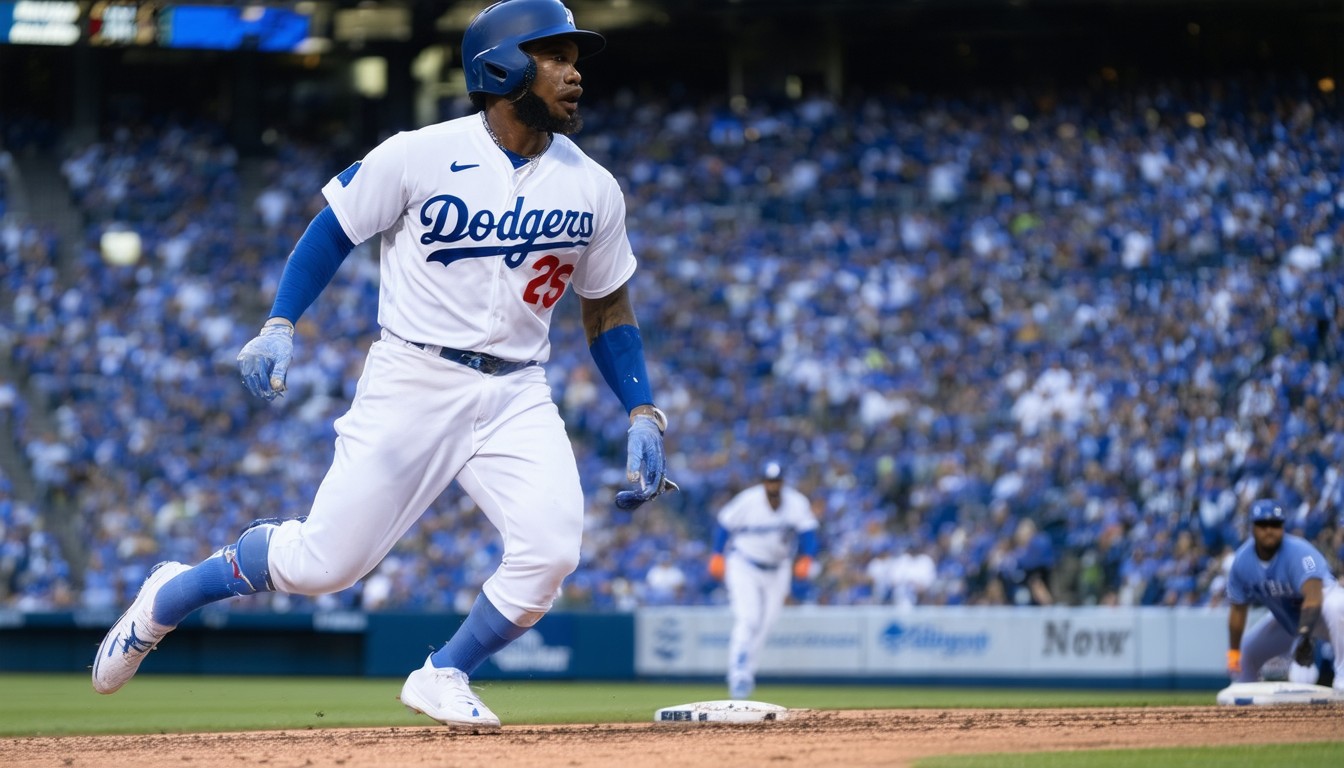

Intense matchups between the Los Angeles Dodgers and the Toronto Blue Jays always capture the attention of Major League Baseball fans, with each clash offering a compelling blend of elite pitching, timely hitting, and tactical decision-making. When two franchises with storied histories and dynamic rosters meet, every inning becomes a showcase of athleticism and strategy. This analysis delivers a deep dive into the most recent match’s player stats, pivotal performances, and tactical nuances—painting a vivid picture of what defined this transleague battle.
Key Player Performances: Offensive Firepower and Defensive Brilliance
Throughout the recent Dodgers vs Blue Jays contest, standout individuals emerged on both sides of the field, impacting the trajectory of the game with clutch hits and exceptional fielding.
Dodgers: Balanced Attack and Strategic Baserunning
The Dodgers have built their success on depth and versatility up and down their lineup. In this matchup, their offensive output was propelled by:
- Mookie Betts: Betts, renowned for his table-setting ability, reached base multiple times, setting up scoring opportunities. He scored after a leadoff walk and later added an RBI double, showing off his knack for situational hitting.
- Freddie Freeman: The veteran first baseman continued his consistent production, peppering the outfield with hard-hit balls and driving in two key runs. Freeman’s on-base percentage remains among the league’s best—a testament to his plate discipline and power.
The Dodgers also manufactured runs with the help of aggressive baserunning. Stolen bases and well-timed bunts kept the pressure on Toronto’s defense, ultimately creating crucial scoring chances.
Blue Jays: Power Hitting Meets Pitching Resilience
Toronto counters with a younger core characterized by explosive power and dynamic talent.
- Vladimir Guerrero Jr.: Guerrero Jr. delivered a towering home run to center field in the fifth inning, reminding fans of his MVP-caliber upside. In addition to the long ball, he worked deep into counts, wearing down Dodgers pitching.
- Bo Bichette: Bichette continued his emergence as a premier shortstop, going 3-for-4 with a double, and flashing the leather with a diving stop that prevented a late-inning rally.
The Blue Jays’ bullpen, despite being tested, kept the scoreline within reach. Closer Jordan Romano recorded his third save opportunity in a week, striking out the heart of the Dodgers lineup to end the game.
“In tightly contested interleague matchups like Dodgers-Blue Jays, it’s often the details—solid baserunning, clean double plays, and timely extra-base hits—that swing the outcome,” observes long-time baseball analyst James Caldwell.
With that in mind, the following sections examine pitching prowess and defensive highlights on both sides.
Pitching Duel: Strategies and Statistical Breakdown
Dominant pitching has defined much of the modern MLB game, and this particular matchup was no exception.
Starting Pitchers: Command Versus Power
- Clayton Kershaw (Dodgers): The left-hander mixed speeds and painted the corners over six innings, tallying eight strikeouts while allowing just two runs. His curveball induced a pair of key double-play grounders in the middle innings. Even as Kershaw’s velocity trends downward in recent seasons, his command enables him to neutralize dangerous hitters.
- Alek Manoah (Blue Jays): Manoah relied on a mid-90s fastball and late movement to generate swings and misses, particularly with runners in scoring position. He scattered five hits over seven innings and fanned nine batters—a performance that showcased why he’s considered a staff ace for Toronto’s future.
Comparative Pitching Stats
| Pitcher | IP | H | ER | BB | K |
|--------------------|----|---|----|----|---|
| Clayton Kershaw | 6 | 5 | 2 | 1 | 8 |
| Alek Manoah | 7 | 5 | 3 | 2 | 9 |
The pitching duel exemplified the chess match often seen in marquee MLB showdowns—one in which strikeout-heavy arms vie for control against patient, disciplined hitters.
Bullpen Reliability and Late-Game Drama
Both bullpens entered the game with above-average season metrics. The Dodgers’ setup duo of Evan Phillips and Brusdar Graterol combined for two scoreless frames, preserving a narrow lead until the ninth.
For Toronto, Erik Swanson navigated a bases-loaded jam in the eighth, while Romano, as noted, slammed the door with three consecutive strikeouts.
Defensive Highlights: Run Prevention and Web Gems
Beyond the box score lies a series of defensive plays that preserved pitching lines and stifled rallies.
- Blue Jays: Matt Chapman’s diving snag down the third base line in the late innings robbed the Dodgers of a potential go-ahead double. Outfielders George Springer and Daulton Varsho prevented extra-base hits with precise angles and strong throws to the cutoff.
- Dodgers: Will Smith’s blocking skills behind the plate quelled multiple wild pitches, and Miguel Rojas’s smooth glove at shortstop converted two double plays that were critical in shutting down Blue Jays’ momentum.
Such defensive efficiency is increasingly recognized as a separator between playoff-bound teams and those still in rebuilding mode.
Statistical Recap: Impactful Numbers from the Game
A closer look at player stats reveals underlying trends that shaped the flow and outcome of the match:
- Team Batting Averages: Both teams hovered around the .250 mark, but the Dodgers converted more with runners in scoring position, going 4-for-11 versus Toronto’s 2-for-9.
- Extra-Base Hits: There were a combined seven doubles and two home runs, indicating both teams’ capacity for sudden offense.
- Fielding Percentages: Both clubs played error-free baseball, underscoring major-league defensive standards.
- Left-on-base totals: High for both teams, reflecting pitchers’ ability to bear down under pressure.
A Mini Case Study: Key Turning Point
The seventh inning underscored the unpredictable nature of high-stakes baseball. With the Dodgers threatening, Jordan Romano entered and induced a critical 6-4-3 double play—a textbook execution, shifting momentum and preventing multiple runs.
Real-world contests like this are a microcosm of why statistical analysis and “clutch” performance often intersect in decisive moments.
Conclusion: What This Dodgers vs Blue Jays Match Reveals
The Dodgers vs Toronto Blue Jays matchup was a clinic in balanced roster strength, resilience under pressure, and baseball played at its highest level. Robust pitching, timely offense, and highlight-reel defense defined a game that may very well echo into postseason narratives. For fans and analysts alike, this clash reinforced the importance of depth, execution, and adaptability—factors sure to influence any October aspirations.
As rosters evolve and season arcs shift, games like these provide both a measuring stick and a blueprint for future success. Tracking such matchups throughout the year offers valuable insight into emerging trends, player development, and the nuanced theater that is Major League Baseball.
FAQs
Who were the standout players in the Dodgers vs Blue Jays match?
Mookie Betts and Freddie Freeman led the Dodgers offensively, while Vladimir Guerrero Jr. and Bo Bichette were top performers for the Blue Jays. Each contributed key hits and defensive plays that shaped the match.
How did the starting pitchers perform during the game?
Both starting pitchers, Clayton Kershaw for the Dodgers and Alek Manoah for the Blue Jays, delivered strong outings. Each had high strikeout totals and allowed few runs, highlighting their ace-level command and skill.
Were there any significant defensive plays in the game?
Yes, critical defensive moments included Matt Chapman's diving stop and Miguel Rojas’s double plays. These plays prevented potential scoring and shifted momentum at pivotal points.
Did bullpen performance impact the outcome?
Relief pitching was essential, with key contributions from Jordan Romano and Erik Swanson for the Blue Jays and stout work from Phillips and Graterol for the Dodgers. Their ability to handle late-inning pressure was vital.
What were the key stats that decided the game?
Timely hitting with runners in scoring position, solid fielding, and clutch bullpen performances were decisive. Both teams had comparable batting averages, but the Dodgers capitalized better in critical situations.
