

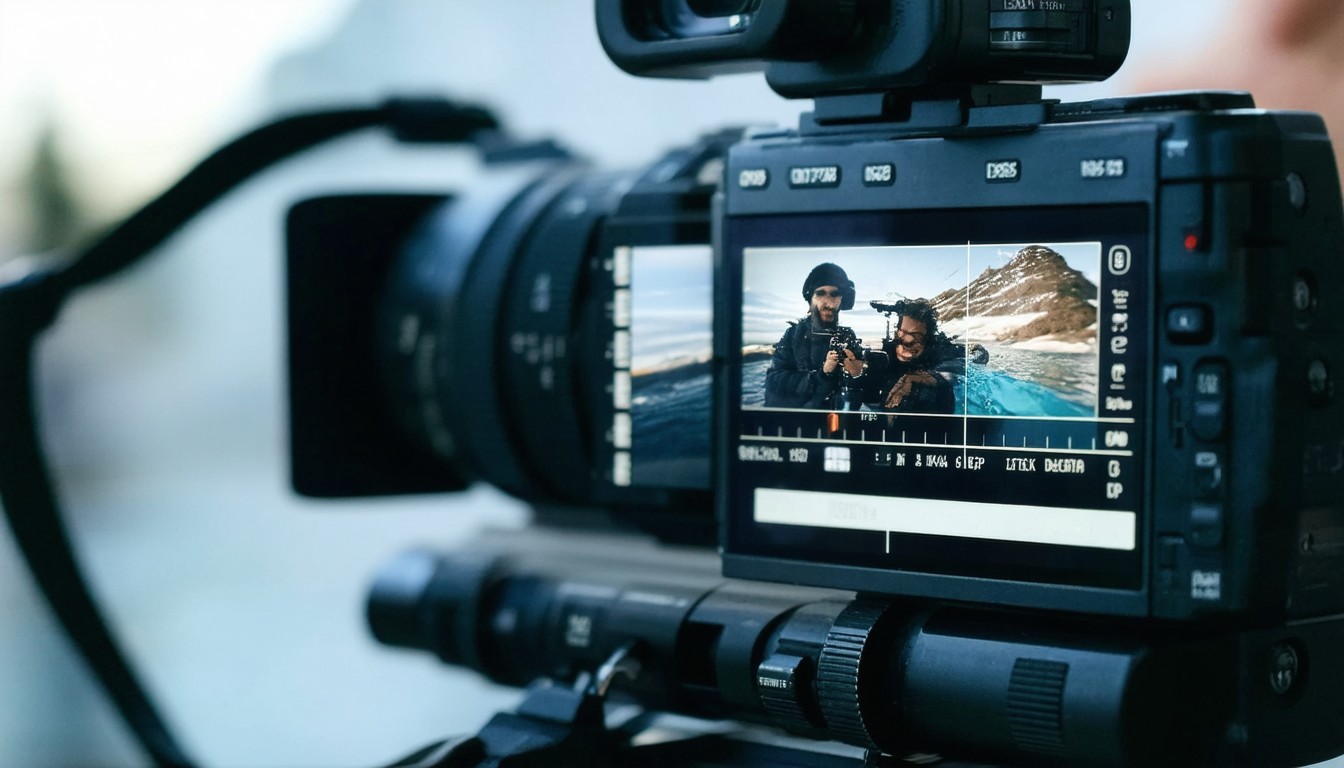

In today’s digital era, video is one of the most powerful storytelling tools. From influencers crafting viral social media clips to brands producing polished commercials, high-quality video content drives engagement, trust, and growth. However, the leap from ordinary footage to a stunning, professional-looking video takes more than clever cinematography or a good camera. The magic truly happens in post-production—where video editing tips and expertise set standout videos apart from the mediocre.
Editing isn’t just about trimming raw footage; it’s the invisible hand guiding the viewer’s eye, setting the tempo, and ensuring emotional resonance. Whether you’re a beginner learning the basics or a seasoned editor aiming for cinematic polish, mastering essential video editing practices is the key to achieving professional results.
Mastering the Foundations: Workflow and Story Structure
Organize Before You Edit
One of the hallmark traits of proficient video editors is impeccable project organization. Before diving into creative work, professionals invest time in labeling their footage, creating well-structured folders for audio, graphics, and project files, and using dedicated project management features within editing software. This ensures that as the project evolves, every asset is easy to find, saving hours and reducing mistakes.
Story First, Effects Later
A compelling narrative is the backbone of any memorable video. While transitions, graphics, and sound effects are tempting to apply early, skilled editors focus initially on the story arc. They arrange clips for pacing, clarity, and emotional flow before layering in technical flourishes.
"The best edits are invisible—viewers remember the story, not the cuts," notes Emmy-nominated editor Meaghan Wilbur. “Prioritize coherence and emotion before diving into transitions or filters.”
Modern editing suites like Adobe Premiere Pro, Final Cut Pro, and DaVinci Resolve all offer timeline features for building out a rough cut before fine-tuning details. This step ensures videos remain engaging and concise—a crucial factor in audience retention according to many digital publishers.
Essential Video Editing Tips for a Polished Final Cut
Focus on Clean, Purposeful Cuts
While simple, the ‘cut’ is the most important transition in video editing. Avoid overusing flashy digital effects; instead, strive for cuts that flow seamlessly and support the story. Jumps in continuity or awkward pauses can easily be smoothed with thoughtful use of cutaways, reaction shots, or B-roll.
Many professional editors employ a technique called the J-cut or L-cut, where audio transitions precede or follow video changes, creating a smoother and more natural flow. This method keeps transitions less jarring and mirrors real-life conversation patterns seen in interviews, documentaries, and narrative films.
Color Correction and Grading
Raw footage rarely matches the polished look audiences expect on modern platforms. Basic color correction—adjusting exposure, contrast, white balance, and color saturation—ensures that every shot looks its best and matches neighboring scenes. Advanced editors then apply color grading for mood and style, using industry-standard LUTs (Look-Up Tables) or custom layers.
Documentaries like “Free Solo” and blockbuster films alike leverage grading for visual impact and emotional effect. Even YouTube creators increasingly use signature color profiles to reinforce brand identity.
Audio: The Unsung Hero
Despite video’s visual focus, sound quality is often what distinguishes amateur content from professional productions. Always:
- Clean up background noise using audio editing tools.
- Match audio levels to avoid jarring volume shifts.
- Add relevant music or ambient effects to enhance emotion.
Sound bridges, crossfades, and subtle dynamic adjustments can significantly improve viewer engagement and immersion—a technique endorsed by major streaming platforms.
Speed and Tempo: Match the Message
Editing pace is about more than quick cuts. For instructional videos or corporate explainers, a steady, evenly paced edit aids comprehension. Meanwhile, montages and action sequences benefit from rapid, rhythmic cuts that match the pulse of the soundtrack.
Effective editors leverage pacing consciously, matching tempo to intent—whether it's slow-motion to emphasize drama or time-lapses for energy and excitement.
Polishing Techniques: Transitions, Effects, and Branding
Tasteful Use of Transitions
Overuse of digital wipes, dissolves, or animated transitions can quickly cheapen a production. Instead, draw on in-camera transitions (such as whip pans or blocking) and keep digital effects subtle and purposeful.
A practical example: Many travel vlogs now use masked match-cuts—where elements in one shot cleverly transition into the next—providing flair without overwhelming the viewer.
Graphics, Titles, and Lower Thirds
Professional videos often feature clean, readable titles, lower thirds, and branded graphics. Use motion graphics to subtly reinforce messaging without distracting from key content. Prioritize clarity and on-brand design. Tools like After Effects, Canva, or even built-in title generators in popular editing suites are invaluable here.
Embrace Templates and Presets—But Customize
Premade transitions, LUTs, and motion templates can save time and help achieve industry-standard polish. However, customization is essential. Adjust settings to fit each project’s specific mood and identity, ensuring originality and avoiding the “template look” prevalent in mass-produced internet videos.
Real-World Scenarios: Lessons from Industry and Creators
Recent trends highlight that even solo YouTubers can achieve results rivaling full production teams by mastering editing fundamentals and leveraging cloud tools or AI-powered noise reduction. Conversely, high-budget productions often fail to connect with viewers if the edit neglects fundamental storytelling principles.
For example, brands such as Nike or Red Bull are renowned for seamless, high-energy editing that matches their brand ethos. Their post-production teams emphasize precision cuts, emotionally resonant color grading, and perfect audio synchronization for maximum impact.
Smaller creators like Peter McKinnon have built large followings partly on their editing prowess—educating viewers while demonstrating industry best practices in each upload.
Conclusion: Editing is Where the Magic Happens
While filming lays the foundation, video editing is where stories come to life and videos ascend to professional standards. From meticulous organization to nuanced audio and color work, every step plays a pivotal role in shaping the viewer's experience. True mastery lies not in gimmicks, but in a relentless focus on story, pacing, and a willingness to iterate. With the right mix of creativity and discipline, editors can consistently deliver stunning, professional-looking videos that captivate and inspire.
FAQs
What basic video editing tips should every beginner follow?
Start by organizing all footage before editing, focus on the story structure first, and don’t rely heavily on flashy effects. Prioritize clean cuts, proper pacing, and good sound quality for the most sophisticated results.
How important is audio editing in creating professional videos?
Audio often makes or breaks a video. Clear dialogue and balanced background sound are essential, as poor audio quality stands out immediately and can undermine even great visuals.
What is color grading, and why does it matter?
Color grading enhances the visual tone and mood of a video after basic color correction. It helps ensure a consistent appearance across all shots and can give videos a cinematic or branded look that stands out.
Are templates and presets useful in video editing?
Templates and presets can speed up the process, but should be tailored to each project. Customization ensures that videos don’t feel generic and maintains a unique, professional appearance.
What software tools are recommended for professional video editing?
Popular choices include Adobe Premiere Pro, Final Cut Pro, and DaVinci Resolve. Each offers robust features for both creative and technical editing tasks favored by professionals.
How can pacing affect a video’s impact?
Pacing should align with the video’s purpose—faster edits for energetic, engaging content and slower cuts for clarity or emotional depth. Matching tempo to message improves retention and viewer satisfaction.
