

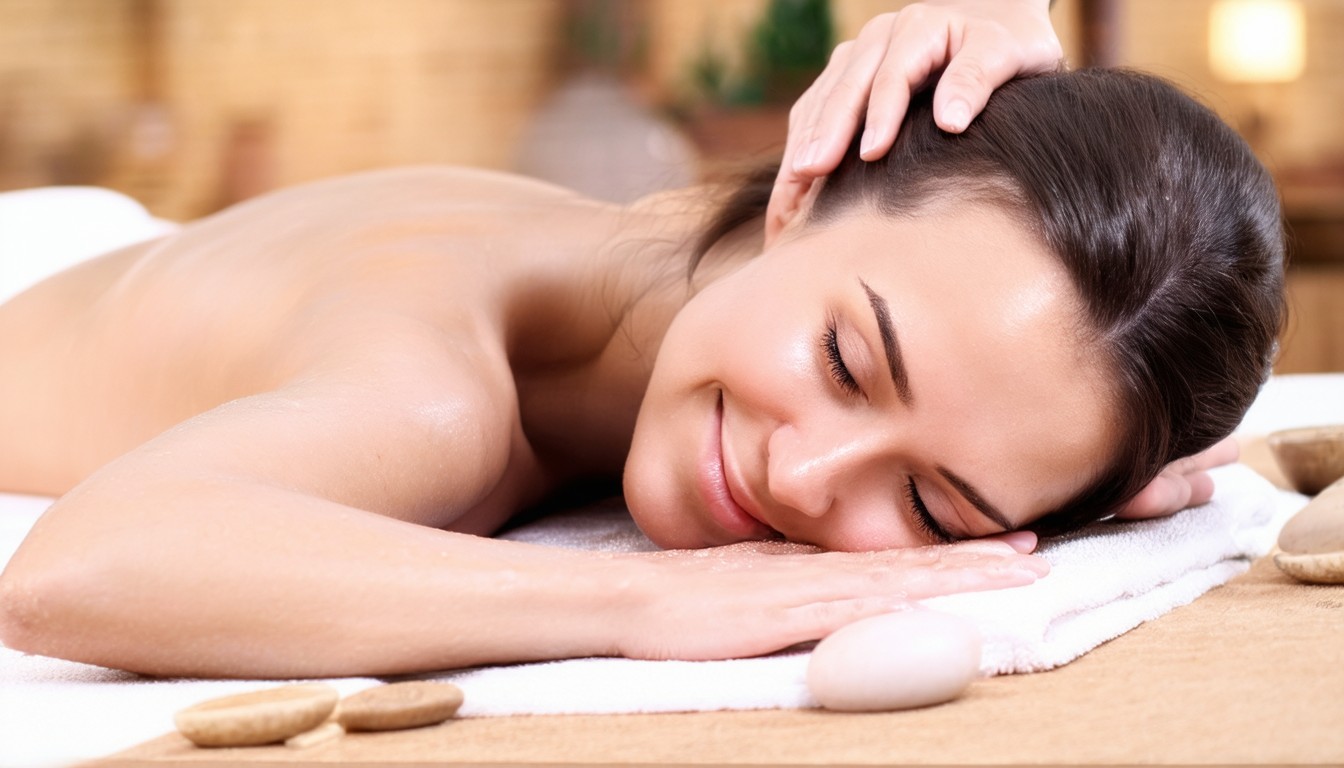

In recent years, the phrase "happy ending massage" has transcended its whisper-network status and found its way into both popular culture and serious discussions about wellness, consent, and legal boundaries. For many, the term conjures images of clandestine spas and secretive side deals. But beneath the pop-cultural euphemism lies a deeper conversation about stress relief, bodywork, the role of consent in personal care, and the cultural variance in massage therapy practices worldwide.
The Historical and Cultural Context of Erotic Massage
Roots in Traditional and Contemporary Practice
Erotic massage, sometimes culminating in a "happy ending," has roots in various ancient cultures. In some Eastern traditions, sensual massage was viewed as a healing practice aimed at relieving physical and emotional tension. Modern interpretations—often operating at the legal margins—have contributed to the ambiguous reputation of such experiences, particularly in Western cities.
In countries like Thailand, traditional massage parlors often co-exist with establishments that offer more explicit services, sometimes blurring the line between legitimate healthcare and adult entertainment. Regulation varies widely, and legal frameworks tend to lag behind evolving social attitudes.
The Science of Relaxation and Stress Relief
Massage therapy is globally recognized for its therapeutic benefits. According to the American Massage Therapy Association, many individuals seek regular massages to cope with the stresses of modern life, citing reported outcomes such as increased endorphin levels, reduced cortisol, and improved mental health.
A 2019 review in Frontiers in Psychology found that various forms of touch therapy, regardless of their explicitness, can lead to measurable reductions in psychological stress. While most clinical research focuses on non-erotic massage, the physiological mechanism—stimulating the nervous system to elicit relaxation—remains relevant.
"The power of touch in addressing both physical and psychological well-being cannot be overstated, even as society debates the boundaries of what should be included in massage therapy," observes Dr. Maia Keller, a psychologist specializing in stress management.
Legality, Consent, and Ethical Considerations
Navigating Legal Boundaries
Legal status is a central differentiator for massage businesses. In many countries, including the United States, offering or receiving sexual services in exchange for money is classified as prostitution and is illegal. Licensed massage therapists, bound by professional codes of ethics, explicitly prohibit such acts within their scope of practice.
However, enforcement and interpretation can be uneven. Investigative reporting has uncovered both abuses—such as coercion or human trafficking—and consensual, if clandestine, exchanges. Many wellness advocates urge policymakers to adopt frameworks that focus on consent, safety, and the empowerment of both clients and practitioners, rather than only on punitive measures.
Consent and Agency
In any context—therapeutic or otherwise—consent must be explicit and ongoing. A legitimate massage setting involves clear boundaries communicated before, during, and after treatment. Industry leaders recommend:
- Open discussion of preferred pressure, area of focus, and comfort level
- Transparent policies about what is and is not offered
- Mechanisms for clients to provide feedback or halt treatment at any time
Without these practices, the line between relaxation and exploitation becomes perilously thin.
Mainstream Wellness Trends and Client Experience
How Massage is Marketed and Perceived
Mainstream spas and wellness studios now invest heavily in de-stigmatizing massage therapy. Leading wellness brands focus their marketing on health, relaxation, and stress relief, deliberately steering away from any hint of impropriety. Conversely, the persistent demand for "happy ending" experiences has led to a proliferation of online forums, coded language, and review platforms dedicated to helping clients discreetly find what they seek.
The Client's Perspective
For some clients, the appeal lies in seeking ultimate relaxation and a sense of escape from daily pressures. Others are drawn to the perceived taboo or risk, blurring wellness with adventure or even rebellion against societal expectations. However, research and anecdotal reports suggest that results vary widely: while some find the experience beneficial, others report discomfort, awkwardness, or guilt stemming from unclear boundaries or unmet expectations.
Real-World Impact and Trends
Industry Data and Wellness Insights
Exact global numbers are hard to measure, given the underground nature of much of the trade. Nevertheless, the massage and spa industry continues to see steady growth, with a significant share of consumers drawn by promises of stress relief and overall wellbeing. While the majority of massages are delivered in strictly professional environments, the persistent curiosity around erotic massage points to ongoing questions about sexuality, self-care, and the evolving definitions of wellness.
Societal Shifts and Future Outlook
Contemporary attitudes toward sexuality, privacy, and bodily autonomy are in flux. As society grows more open in discussing mental and physical health, there is greater emphasis on destigmatizing various forms of self-care. This includes robust conversations about consent, ethical boundaries, and the difference between therapeutic and exploitative practices.
Conclusion: Clarity Amid Complexity
The "happy ending massage" sits at the intersection of wellness, personal autonomy, legal ambiguity, and cultural meaning. For those seeking deep relaxation, professional massage—rooted in transparency and respect—remains a proven path to stress relief. Navigating the headlines and realities of erotic massage demands clear boundaries, informed consent, and an awareness of legal and ethical contexts. Ultimately, the priority should be on personal safety, professionalism, and genuine well-being.
FAQs
What is a happy ending massage?
A happy ending massage refers to a therapeutic session that culminates in a sexual release, most commonly as an extra service offered at some adult-oriented massage businesses.
Is it legal to receive a happy ending massage?
Legality varies by country and region. In many jurisdictions, offering or accepting sexual services for payment is classified as prostitution and is illegal, even if it occurs under the guise of therapeutic massage.
Are there health benefits to erotic massage?
While conventional massage is shown to reduce stress and promote relaxation, claims of unique health benefits from erotic massage remain mostly anecdotal. The psychological relief reported by some participants often results more from the general effects of touch and relaxation.
How can I ensure my massage experience is safe and respectful?
Choose licensed practitioners, review business policies, clearly communicate your preferences, and never hesitate to set boundaries or stop the session if you feel uncomfortable.
Why is there stigma around happy ending massages?
The association with sex work, legal ambiguity, and concerns about exploitation or consent have fueled stigma. Open, respectful conversations about boundaries, consent, and professionalism are crucial for reducing misconceptions.
Can mainstream spas offer erotic services?
Mainstream, law-abiding spas and wellness centers do not offer sexual services. Such acts, if solicited, are typically a violation of local laws and codes of ethical practice in massage therapy.
