

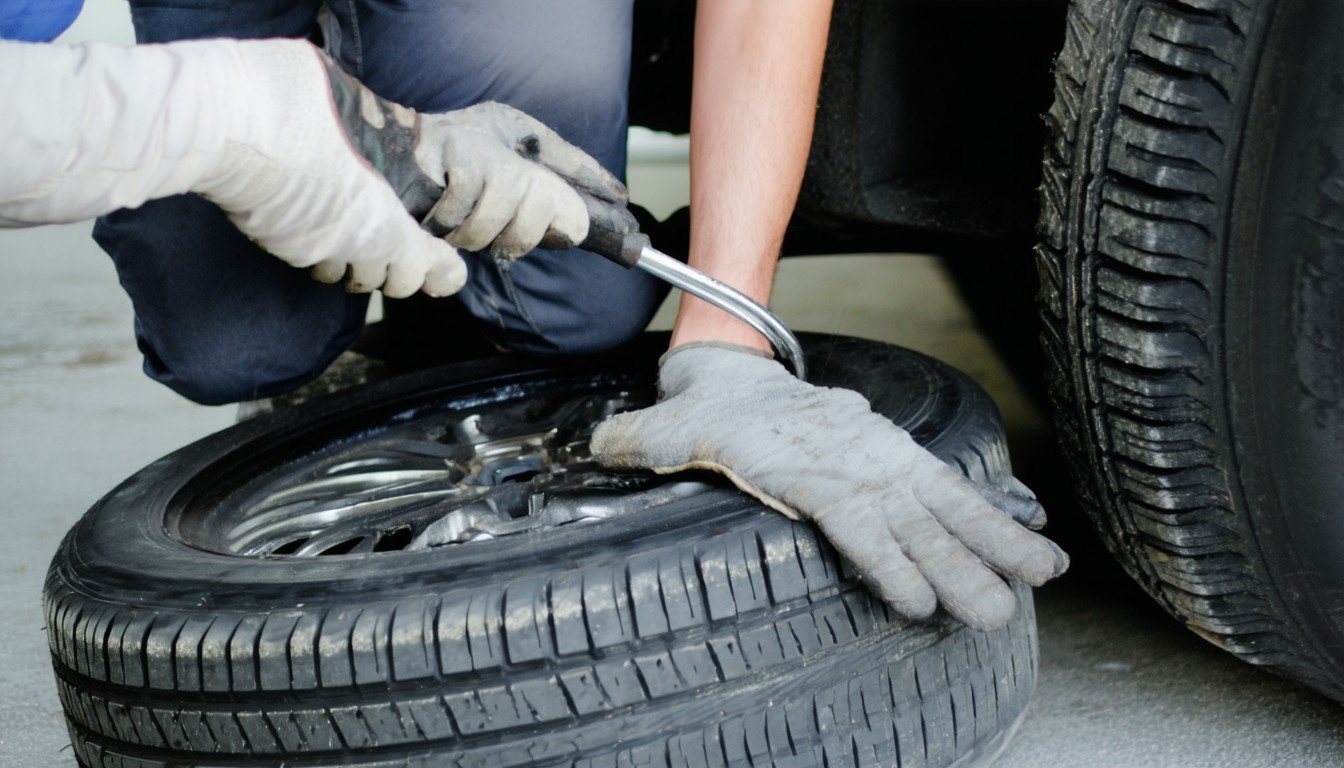

Nothing derails a road trip—or even a daily commute—like the sudden thump of a flat tire. For many drivers, the thought of changing a tire feels intimidating, but developing this basic car care skill is a practical investment in safety and self-reliance. According to AAA, flat tires and blowouts are among the most common car issues drivers encounter. Yet, surveys consistently show that a significant portion of drivers, especially younger and less experienced motorists, lack the confidence or knowledge to handle the situation.
Peace of mind on the road doesn’t have to depend on roadside assistance or the kindness of passing strangers. With the right know-how, the right tools, and a calm approach, virtually anyone can master the steps needed to get back on the road—often in 30 minutes or less.
Preparing to Change a Tire: Tools and Precautions
Before hitting the road, every driver should check that their vehicle has the essential items for tire changes. While manufacturers usually provide a basic tire-changing kit, its completeness and accessibility can vary.
Essential Tools You’ll Need
- Spare tire (properly inflated)
- Jack suitable for your vehicle’s weight
- Lug wrench (ideally cross-shaped for leverage)
- Wheel wedges or blocks
- Gloves and a flashlight (for nighttime or dirty conditions)
- Vehicle owner’s manual (for specific instructions)
Carrying extras like a reflective vest, warning triangles, and a small plank for soft ground can further improve safety. A quick monthly check to confirm your spare and tools are in serviceable shape can save headaches later.
Safety First: Location and Precautions
Pull over to a straight, level stretch of road when possible. Engage your hazard lights, apply the parking brake, and place wheel wedges under the tires. If you’re on a highway or shoulder, it’s critical to stay as far from moving traffic as possible and to be visible—day or night.
"Even a well-practiced tire change can become dangerous if drivers neglect traffic awareness and basic safety setup. Prioritizing your safety and visibility is always step one," notes automotive safety expert Julia Kim, who trains roadside assistance teams across the Midwest.
Step-by-Step Instructions: How to Change a Tire
Changing a tire requires a sequential, methodical process. Missing a step, or rushing, can jeopardize safety or cause further damage to the vehicle.
1. Loosen the Lug Nuts (But Don’t Remove Them Yet)
Using the lug wrench, turn each nut counterclockwise until resistance breaks. It can take force—using your foot or even standing on the wrench arm (with caution) is acceptable if nuts are stubborn. It’s easier to loosen the bolts while the tire is still grounded, as the wheel won’t spin.
2. Lift the Vehicle with the Jack
Consult your owner’s manual to locate the correct jack points. Improper placement can damage the undercarriage or result in a dangerous slip. Raise the car so the flat tire is just off the ground.
3. Fully Remove Lug Nuts and the Flat Tire
Now, unscrew and remove each lug nut, keeping them in a safe spot. Carefully pull the tire straight toward you. Note that heavy, stuck tires may require a bit of wiggling or force.
4. Mount the Spare Tire
Align the rim of the spare with the wheel bolts, then push the tire onto the hub until it seats flush. Replace the lug nuts and hand-tighten them in a star pattern to ensure even pressure.
5. Lower the Vehicle and Tighten Again
Lower the car gradually, letting the spare bear the vehicle's weight. Now use the lug wrench to fully tighten the nuts, again following a star pattern. Overtightening can damage the studs, while undertightening risks wheel loss—be firm but controlled.
6. Stow Tools and Check Spare Tire Pressure
Before you drive, double-check the spare’s air pressure (if you have a gauge) and secure the flat tire and tools. Temporary “donut” spares are not designed for extended use or high speeds—check your manual’s limits and head directly to a tire shop.
Real-World Examples: Stories from the Road
Consider the experience of Nicole, a college student from Ohio, who faced a flat tire on a rural highway late at night. Because she’d practiced the process in her driveway with a friend and kept her emergency kit up-to-date, she was able to change the tire safely and independently—even in less-than-ideal conditions.
On the other hand, many urban commuters rely on fix-a-flat spray or mobile phone assistance. Data from the National Highway Traffic Safety Administration suggests that, while tire blowouts have decreased due to modern tire technology, a rapid response can still make all the difference in averting accidents or extended delays.
Developing Confidence and Preventative Habits
Like any skill, changing a tire improves with hands-on practice. Many driving schools now offer tire-change demonstrations as part of their curriculum, and automakers are making it easier by standardizing jack points and labeled tool kits.
Seasoned drivers recommend taking a “dry run” in your driveway or garage. This practice, paired with regular tire checks and the use of quality tires, is the most effective way to avoid getting caught off guard.
When to Call for Help: Knowing Your Limits
While DIY tire changing empowers drivers, some situations warrant professional assistance:
- Vehicle is in a dangerous or hard-to-reach location
- Wheel or lug nuts are damaged or rusted
- You have physical limitations or feel unsafe
Don’t hesitate to contact roadside services; it’s always better to be safe than sorry.
Conclusion: Key Takeaways for Roadside Resilience
Changing a tire may seem daunting, but with the proper preparation and a clear set of steps, it’s well within reach for most drivers. Learning this vital skill not only saves time and money—potentially hundreds in towing fees—but also fosters confidence on the road. For ongoing safety, keep your tire maintenance up-to-date and equip your vehicle with the essentials. And remember: safe, patient action trumps rushing, every time.
FAQs
How long does it usually take to change a tire?
Most tire changes can be completed within 20 to 30 minutes, depending on experience and the type of equipment available.
Can I drive on a spare tire for a long distance?
Temporary spare tires, often called “donuts,” are designed for short distances—generally no more than 50-70 miles. Full-sized spares can be used longer but should still be replaced with a proper tire as soon as possible.
What should I do if I don’t have the right tools?
If you lack the needed tools or your spare tire, call for roadside assistance or a tow. Never attempt to improvise without the proper equipment, as it’s unsafe.
Is it safe to change a tire at night or on the highway?
Changing a tire on the side of a busy road or at night can be hazardous. Always use hazard lights, wear reflective gear, and position warning triangles if available. If possible, move to a safer location or seek professional help.
How often should I check my spare tire’s air pressure?
Check your spare tire’s pressure every month and before long trips, as spares can lose air over time just like regular tires.
Can any flat tire be fixed with a spare?
Most simple punctures can be temporarily fixed with a spare, but blowouts, sidewall damage, or wheels without removable lugs may require a tow or professional repair.
