

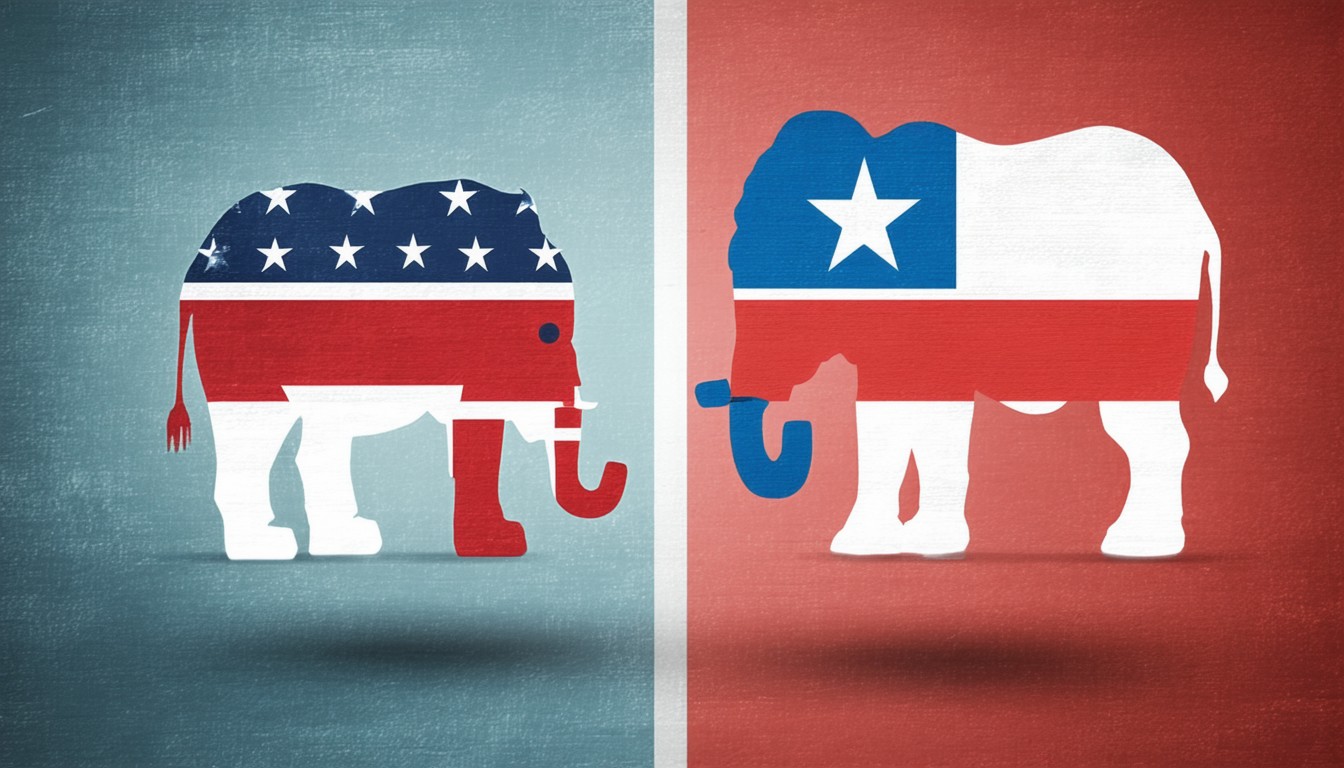

Explaining complex concepts like political parties to children can be a challenge, yet early civic understanding matters. In the United States, the terms “Democrat” and “Republican” can seem mysterious, even to adults. Parents and educators often seek ways to distill these ideas without bias or oversimplification. Teaching kids about politics isn’t about persuading them, but equipping them with tools to understand differences and similarities within society. Approaching this subject with patience and relatable examples lays the groundwork for curiosity and respectful dialogue later in life.
The Basics: What Is a Political Party?
Political parties are like teams in a giant game where the goal is to solve problems and make decisions for everyone who lives in the country. Each team has a set of ideas, called beliefs or values, about how things should be run; for example, how the government should spend money or what rules should be made. Just as in school, where one group might want longer recess and another might want more art classes, political parties can have different priorities.
Comparing Democrats and Republicans Simply
Think of Democrats and Republicans as the two main teams:
- Democrats often believe the government should actively help people, especially those who might need extra support, like families with less money or people who are sick.
- Republicans usually prefer less government involvement, wanting individuals and businesses to make more choices on their own, and believe people should keep more of the money they earn.
This isn’t to say that members of each party never agree. On certain topics, people from both sides find common ground and work together.
"Children benefit when we explain that politics is really about how people with different perspectives work out the best way to live together," says Dr. Karen Kitchener, an educational psychologist specializing in youth civic engagement.
Real-life Examples Kids Can Relate To
Sometimes, big words and abstract concepts don’t connect. Instead, using relatable stories helps. Imagine two friends deciding how to spend their school fundraiser money. One thinks it should go to sports equipment, another to new library books. Neither choice is “wrong.” Their discussion—explaining their reasons and voting on the best choice—mirrors how politics works on a larger scale.
- Democrat values may resemble wanting to use fundraiser money to help every student, such as fixing up the playground so everyone benefits.
- Republican values might look like letting each class decide for themselves how to use their share of the fundraiser.
Key Differences: Major Beliefs and Topics
While both parties want America to be safe and prosperous, they focus on different solutions. Here’s a simple breakdown:
| Topic | Democrat View (In General) | Republican View (In General) |
|--------------------|------------------------------------|-------------------------------------|
| Government Role | Stronger government involvement | Smaller government, local control |
| Taxes | Higher for wealthy, more services | Lower for all, fewer public services|
| Healthcare | Support public options | Prefer private options |
| Environment | More rules to protect nature | More freedom for businesses |
| Schools | More government funding | More choices for families |
Why Do They Disagree?
It isn’t because one is “good” and the other is “bad.” Both sides care about America but have different ideas about what works best. Sometimes, these differences come from history, experiences, or what they believe helps the most people.
How to Foster Respectful Political Conversations
Children notice emotions adults attach to political issues. Modeling calm, fact-based discussions shows that disagreement doesn't mean disrespect. It’s valuable to emphasize that every American gets a vote and that changing opinions as you learn more is natural.
Tips for Parents and Teachers
- Use neutral stories—avoid labeling one party as “better.”
- Focus on listening and asking thoughtful questions.
- Discuss how people on both sides care about their communities.
- Encourage curiosity: It’s okay not to know everything.
A study by the Pew Research Center highlights that early exposure to civic topics increases a child’s willingness to vote and participate in society as adults. Engaging with these ideas in age-appropriate ways can turn confusion into empowerment.
Teaching with Analogies: Teams in Action
Analogies make abstract ideas concrete. Family discussions can use sports teams or group projects as metaphors. For example:
- If you’re playing soccer, and one team thinks everyone should take turns being captain, while the other team believes only the highest scorers should lead, you’re witnessing different leadership philosophies—just as in politics.
By connecting these ideas to what matters in a child’s daily life, learning about Democrats and Republicans moves from intimidating to approachable.
Emphasizing Values Over Labels
Instead of focusing exclusively on party names, consider talking about underlying values—like fairness, responsibility, freedom, and helping others. This approach reminds children that people’s beliefs are shaped by their hopes for the future, their families, and their communities.
Kids may ask tough questions. Responding honestly and being willing to say “I don’t know, let’s find out together” not only builds trust but teaches research skills too.
Conclusion: Nurturing Curiosity, Not Division
Explaining Democrat versus Republican ideas to children isn’t about picking sides. It’s a chance to promote understanding, kindness, and lifelong curiosity. By breaking down ideas simply, using relatable stories, and focusing on respect, adults can help kids become thoughtful citizens. The emphasis should always remain on listening, learning, and allowing minds to grow with new information.
FAQs
What’s the best way to explain political parties to a child?
Use simple analogies, like teams with different ideas, and talk about values and how each group wants to solve problems in society.
Why do Democrats and Republicans disagree?
They have different beliefs about the best ways to run the country, especially about how involved the government should be in daily life.
Should I tell my child which party to support?
It’s best to encourage open discussion and help children ask their own questions, so they form their own ideas as they grow.
Are there only two political parties in the United States?
No, but Democrats and Republicans are the two major ones. Other parties exist but are smaller.
How can parents keep political talks positive?
Focus on listening, use stories rather than arguments, and remind children that good people can disagree and still work together.
What if my child asks a question I can’t answer?
Admit when you don’t know and suggest looking for the answer together; this teaches research skills and open-mindedness.
