

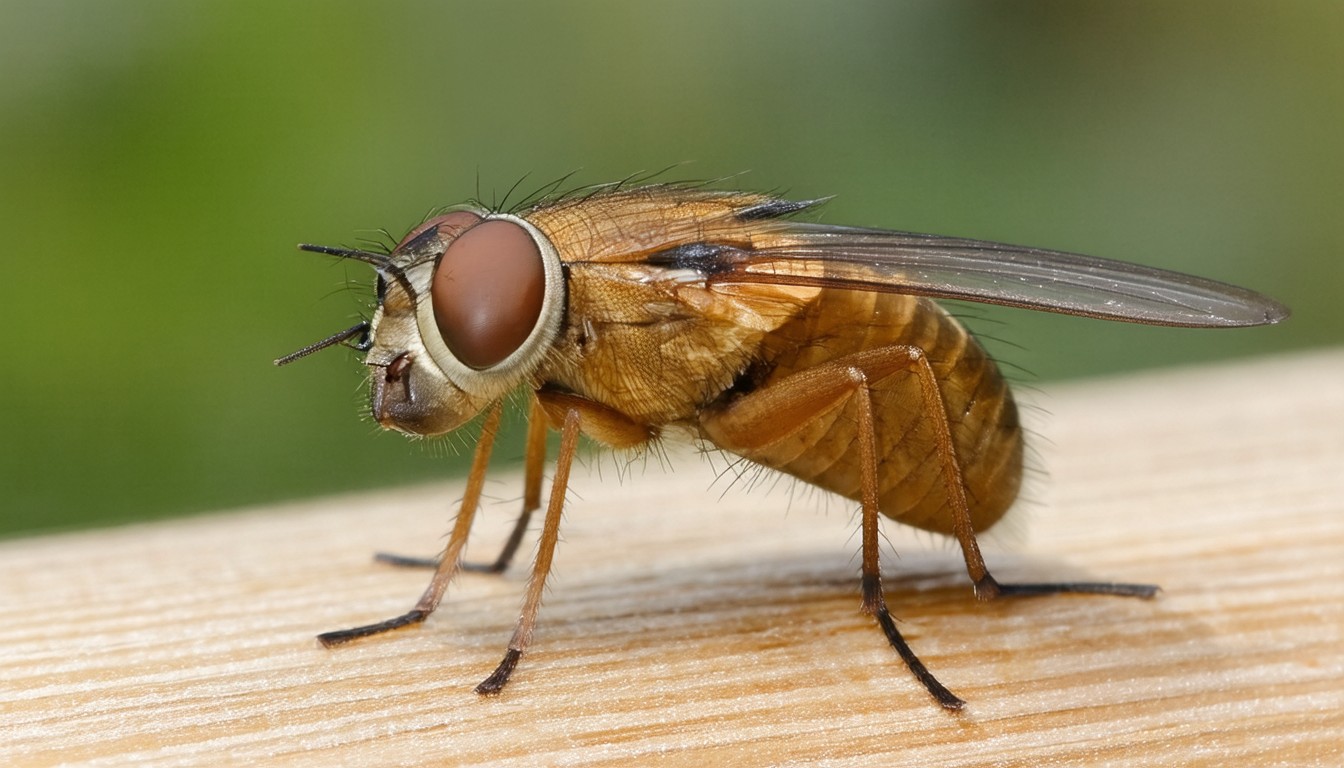

Fruit flies seem to appear out of nowhere, especially in late summer months or whenever fresh produce sits exposed. Their uncanny ability to infiltrate kitchens quickly leads many households to frustration. Scientifically known as Drosophila melanogaster, fruit flies are drawn to ripened or fermenting fruits and vegetables, but their presence isn’t limited to produce alone. They thrive in moist, organic matter — including unwashed drains, compost bins, empty bottles, and even forgotten spills.
Environmental factors further amplify their population booms. Warm, humid conditions and an abundance of organic residue create ideal breeding grounds. For city dwellers and suburban homeowners alike, recognizing these attractants forms the first critical step toward effective fruit fly removal.
Quick-Action Steps: How to Get Rid of Fruit Flies Fast
Eradicating fruit flies efficiently requires a multi-pronged approach. A rapid response, coupled with consistent preventive measures, delivers the best outcome.
1. Eliminate Exposed Food Sources
First, address any exposed produce or organic waste in the kitchen:
- Store ripened fruit in sealed containers or the refrigerator.
- Promptly discard overripe or rotten produce in outdoor trash bins.
- Rinse recycling before disposal, especially bottles or cans with sugary residue.
Clearing the food sources removes the flies’ primary incentive to linger.
2. Deep-Clean Drains, Trash, and Compost
Fruit flies also breed where organic matter accumulates unseen. Conduct a thorough cleaning of:
- Kitchen sinks and drain traps (scrubbing and rinsing away gunk).
- Garbage disposals using a brush and mild cleanser.
- Compost bins, especially the lid and lip where residues can collect.
- Trash cans and liners, especially if spills have soaked into cracks.
According to several pest management firms, persistent fruit fly infestations are commonly traced to neglected refuse or plumbing rather than just exposed fruit bowls.
3. Deploy Effective Do-It-Yourself Traps
For rapid population control, set traps using household items. The classic apple cider vinegar trap is both affordable and reliable:
- Fill a shallow bowl or jar with a little apple cider vinegar and a few drops of dish soap.
- Cover with plastic wrap, poking small holes with a fork.
- Place the trap near observed fruit fly activity.
Flies, lured by the fermenting scent, slip through the holes and cannot escape due to the soapy surface tension. This method can remove dozens, sometimes hundreds, over several days. Some homeowners use wine, overripe fruit, or even balsamic vinegar as bait alternatives when apple cider vinegar isn’t available.
Long-Term Prevention: How to Stop Fruit Flies From Returning
Getting rid of fruit flies once doesn’t guarantee your kitchen will stay free of them. Their life cycle—from egg to adult—can take as little as a week given the right conditions.
Build Consistent Habits
- Refrigerate or seal all fruit and vegetables.
- Take out organic trash or compost daily.
- Repair window screens or door seals to block new entry points.
- Clean counters and sweep floors to remove unnoticed organic remnants.
"Ongoing vigilance is essential. Even a few overlooked crumbs or a spill beneath an appliance can trigger a new outbreak," says Dr. Sophia Lin, an urban entomologist and consultant for municipal pest strategies.
Natural Repellents and Commercial Solutions
Some sources recommend natural deterrents, such as placing basil leaves, cloves, or lemongrass oil near food prep areas. While these do not kill fruit flies, they can help reduce attraction. Commercial sprays exist, but caution is advised when using chemical agents near food. Always read labels and opt for safe, targeted products if simple methods fail.
When Fruit Flies Won't Go Away
Occasionally, persistent infestations point to issues beyond home cleanliness. Hidden leaks, unseen rotting produce, or even overwatering plants can sustain fruit fly populations. In rare cases, professional pest control may be needed to inspect and remediate unseen sources.
Fruit Flies vs. Fungus Gnats: Know the Difference
Not all small flying insects in your kitchen are fruit flies. Fungus gnats, often mistaken for fruit flies, typically originate from overwatered indoor plants. They exhibit slightly different body shapes and fly patterns. Correct identification ensures the right approach; fungus gnat treatment focuses on soil moisture rather than kitchen hygiene.
Visual and Behavioral Distinctions
- Fruit flies usually have red eyes and a tan front with a darker rear.
- Fungus gnats are darker overall and flit around potted soil.
If traps and kitchen cleaning don’t reduce numbers, consider adjusting your indoor plant care regime.
Summary: A Proactive, Holistic Approach
Effectively eliminating fruit flies depends on diligent home habits, timely cleaning, and simple traps. Ensuring food is sealed, surfaces are wiped, and drains are clear halts reproduction and removes attractants. Homemade vinegar traps can offer fast relief, but only ongoing attention will keep these persistent pests out for good.
For recurring or severe infestations, don’t hesitate to investigate less visible breeding grounds or consult professionals. Prevention, ultimately, is easier than repeated extermination.
FAQs
What causes fruit flies to appear suddenly?
Fruit flies are drawn by fermenting fruit, sugars, and organic waste. An overlooked piece of produce or spill can trigger an infestation in a matter of days.
How long does it take to get rid of fruit flies completely?
With proper cleaning, trap usage, and removal of attractants, most homes notice a significant decrease in fruit fly numbers within a week. More severe cases may take longer if hidden breeding spots are involved.
Are fruit flies harmful to humans or food?
Fruit flies do not bite or sting but can contaminate surfaces and food with bacteria after landing on decaying matter. They are considered more of a nuisance than a danger, but best hygiene practices are recommended.
Can fruit flies come from drains?
Yes, drains with organic residue can serve as breeding grounds. Regular cleaning with brushes or enzyme-based cleansers can eliminate these hidden sources.
What’s the best trap for fruit flies?
Apple cider vinegar mixed with dish soap in a covered bowl is widely regarded as highly effective. Some individuals also find success with wine or fruit-based traps.
How can I prevent fruit flies from returning?
Routine removal of food waste, refrigerating produce, frequently cleaning surfaces and drains, and ensuring proper window sealing are the most important long-term measures against recurring infestations.
