

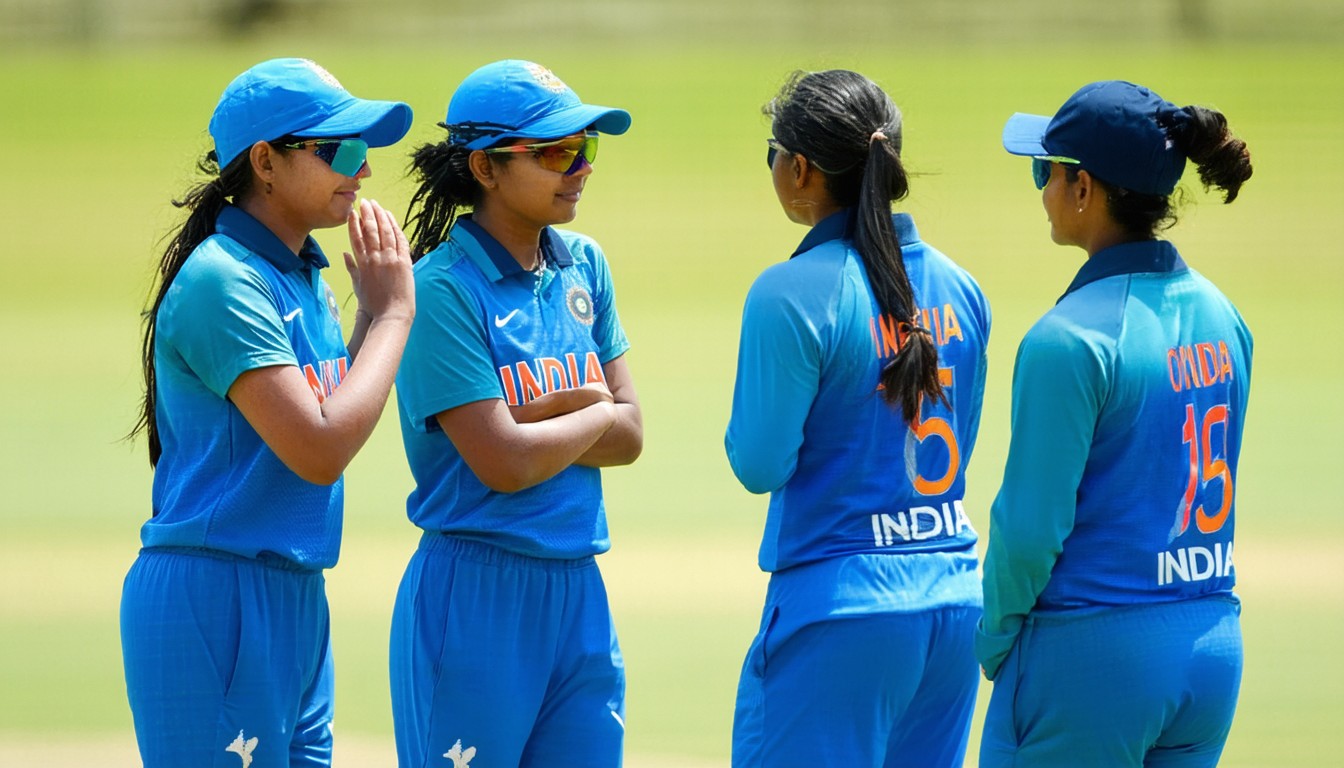

Cricket, once a sport heavily dominated by a handful of nations, has witnessed a thrilling transformation in the women’s game over the last decade. Few matchups embody this evolving landscape as compellingly as the contest between the India women’s national cricket team and the South Africa women’s national cricket team. With both squads showcasing a blend of youth and experience, and their respective boards investing actively in the women’s game, each face-off is underpinned by rich narrative threads. The anticipation around their upcoming clash reflects not just sporting rivalry, but also the broader shift in global women’s cricket—toward greater parity, professionalism, and competitive zeal.
Recent Form and Tournament Momentum
India: Consistency and Youthful Energy
India’s women’s team arrives on the back of a robust domestic circuit and the inauguration of the Women’s Premier League, which has accelerated player development. Recent series results characterise them as a side high on consistency, often anchored by the likes of Smriti Mandhana, Harmanpreet Kaur, and Jemimah Rodrigues. Dynamic all-rounders such as Deepti Sharma have added depth, while young talents like Shafali Verma continue to impress with explosive batting.
Their recent ODI and T20 outings showcase a batting-rich unit with increasingly reliable seam and spin options. India’s growing emphasis on fitness, fielding, and adaptability is paying dividends, as evidenced by several close finishes being converted into wins.
South Africa: Resilience Amid Transition
Conversely, the South Africa women’s national team has navigated a period of transition following the retirement of key players like Dane van Niekerk and Lizelle Lee. Yet, they have steadily rebuilt around the leadership of Sune Luus and the batting prowess of Laura Wolvaardt. All-rounders such as Marizanne Kapp lend invaluable experience, while the emergence of new bowling talents has preserved their sting as a unit.
While results have fluctuated, their ability to mount comebacks—such as reaching the semi-final stage of the most recent ICC Women’s World Cup—signals the team’s collective resolve and adaptability.
Head-to-Head Overview: Statistical Insights
When exploring encounters between these teams, the numbers underscore a rivalry marked by momentum shifts rather than outright dominance. India has enjoyed a slight edge in both ODIs and T20Is historically, but South Africa’s victories—particularly in subcontinent conditions—have been reminders that reputations alone carry little weight in this rivalry.
- ODI Meetings: India has won the majority of their historical ODIs, especially at home, but South Africa’s victories in India (including their 2021 series win) have added edge to the rivalry.
- T20 Clashes: The shorter format often levels the playing field. Both teams have registered memorable wins, with margins often decided in tense last overs.
"The India vs South Africa women’s contests have evolved beyond statistics—these games push tactical boundaries and set new standards for resilience and skill on both sides," notes Ananya Upendran, cricket analyst and commentator.
Beyond this, the statistics also show individual performers rising on critical occasions—Mandhana’s centuries, Kapp’s impactful spells, and the fielding brilliance from both teams frequently becoming decisive factors.
Key Players to Watch
India: Leaders and Game-Changers
-
Harmanpreet Kaur (Captain):
Known for her steely resolve and aggressive hitting, Harmanpreet remains the fulcrum of India’s middle order. Her captaincy has matured, blending tactical discipline with intuitive calls. -
Smriti Mandhana:
An opener with a proven record against top attacks, Mandhana’s form at the top often dictates the team’s fortunes. Her record against South Africa is impressive, with multiple fifties and match-defining knocks. -
Deepti Sharma:
With her dual skills, Deepti’s ability to anchor innings and break partnerships make her indispensable in tight game scenarios.
South Africa: New Core, Steady Hands
-
Laura Wolvaardt:
Among the world’s most technically sound batters, Wolvaardt anchors South Africa’s innings and adapts quickly to diverse bowling conditions. -
Marizanne Kapp:
A world-class all-rounder, Kapp brings experience under pressure and often changes games with either bat or ball. -
Ayabonga Khaka:
Khaka has steadily turned into one of the most reliable seamers in women’s cricket, consistently challenging top-order batters with her control.
Tactical Match-Ups and Strategic Trends
Batting Depth vs Bowling Variety
India’s deep batting order will be tested by South Africa’s disciplined seam and spin attack. In contrast, South Africa’s batting has shown improved intent, but faces the challenge of countering India’s spin-heavy strategies, especially on low and slow surfaces often seen in Indian venues. How each team rotates strike and accelerates during middle overs could prove crucial.
Fielding and Fitness
Both sides have demonstrated significant advancement in athleticism—a contrast to the early years of the rivalry. Fielding units now routinely convert half-chances and stem boundaries, turning the tide in closely fought situations. This edge can be decisive, particularly in white-ball cricket.
Adaptation to Match Situations
Recent match data underscores that both teams have moved toward data-driven decision making. Use of match-ups (left-vs-right hand batters, specific bowlers for ‘death’ overs) and flexible batting-orders means that traditional roles are less rigid. Strategies will likely hinge on reading pitch conditions swiftly and exploiting opposition weaknesses.
The Broader Significance: Shaping the Future of Women’s Cricket
The rise of the India vs South Africa women’s cricket rivalry extends well beyond wins and losses. As both cricket boards invest heavily in their women’s programs, each encounter draws greater viewership, inspires grassroots participation, and fuels conversations around pay parity and professionalization.
Industry examples such as the Women’s Premier League and South Africa’s regional development programs illustrate the growing global footprint of women’s cricket. These structured leagues and pathways are not only creating more complete cricketers but are also lifting the sport’s overall standard.
As Prakash Wakankar, a leading cricket commentator, once observed:
"Rivalries like India vs South Africa are essential for globalizing women’s cricket—they provide a stage for talent, carry cultural resonance, and catalyze investment and innovation."
Conclusion
The upcoming India women’s national cricket team vs South Africa women’s national cricket team clash is more than just a fixture; it embodies the broader evolution, aspiration, and competitive spirit of modern women’s cricket. With both squads poised for a hard-fought encounter and each carrying the weight of heightened expectations, fans can anticipate a showcase of high-skill, spirit, and tactical intrigue. Regardless of the outcome, the true winner remains the global women’s cricket ecosystem, which is richer for such contests.
FAQs
How have recent IND vs SA women’s matches concluded?
Recent matches have seen closely contested games, with both teams securing victories in high-pressure situations. South Africa has managed a series win on Indian soil in the last few years, highlighting the competitive balance between the two sides.
Who are the key players for both teams in this matchup?
For India, Harmanpreet Kaur and Smriti Mandhana provide leadership and firepower, while Deepti Sharma adds all-round value. South Africa relies on the batting of Laura Wolvaardt and the all-round skills of Marizanne Kapp to set the tempo.
What are the typical strategies used by both teams?
India frequently leverages spin and a deep batting lineup to control games, especially at home. South Africa emphasizes seam bowling and a measured approach in the batting department, with increasing adaptability to subcontinental conditions.
How does this rivalry impact women’s cricket globally?
Their contests draw international attention, boost television ratings, and help promote professional pathways for young players. High-quality matches between these teams are key drivers in making women’s cricket a mainstream, commercially viable sport.
Are there any rising stars to watch in this series?
Emerging talents such as Shafali Verma for India and young seamers in the South African squad are expected to make significant impacts, offering a glimpse of the next generation of stars in women’s cricket.
