

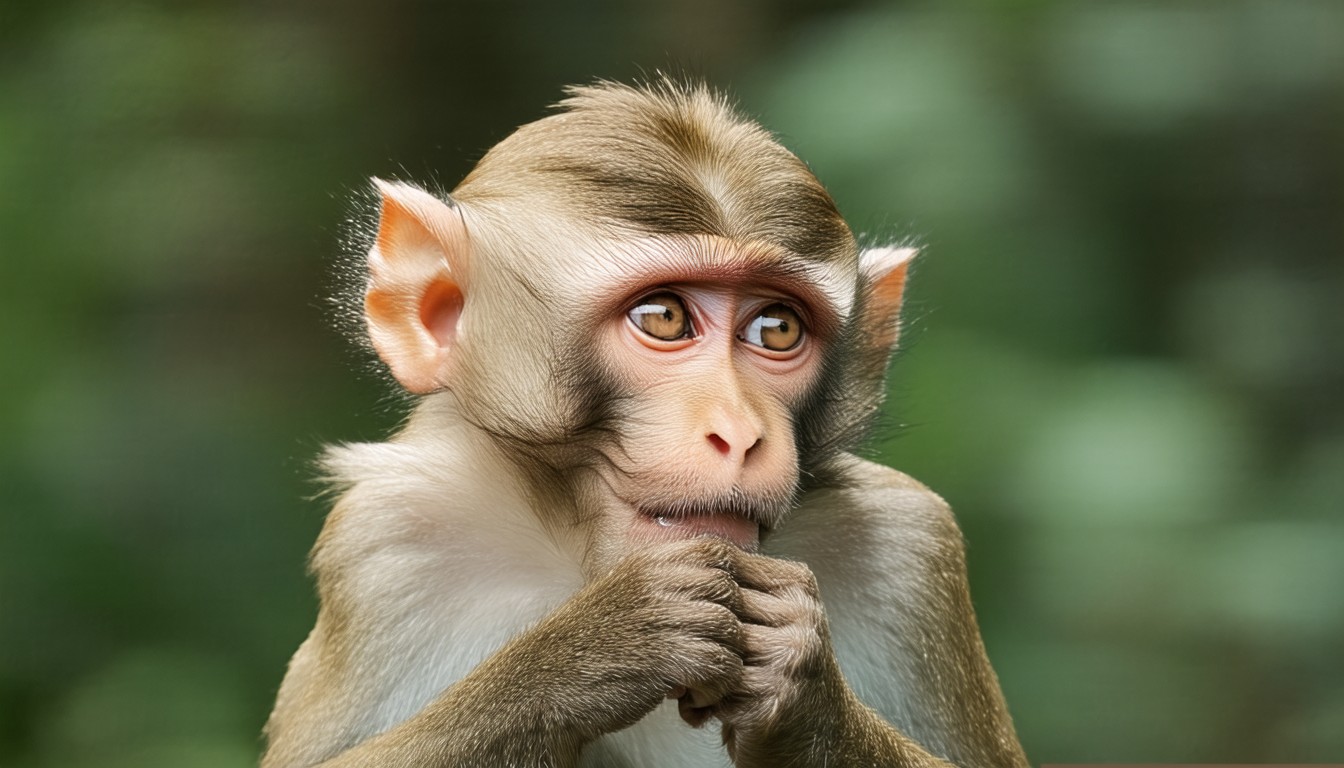

Memes are digital shorthand for the complexities of modern life, conveying irony, humor, or deep emotion in a glance. Perhaps no meme illustrates this better than the “monkey thinking meme”—the instantly recognizable image of a pensive monkey captured mid-thought. Whether it’s a bewildered “deep in thought” primate or a Photoshop-edited version with exaggerated expressions, the meme has become a go-to template for countless reaction posts online.
But how did a simple photo of a monkey become such a universal signifier for confusion, sarcasm, or self-reflection? And what does the enduring popularity of the monkey thinking meme reveal about how we communicate in the fast-paced world of social media?
Tracing the Origins: Where Did the Monkey Thinking Meme Begin?
The Power of Primate Imagery in Online Culture
Humans have long found primates relatable, given our evolutionary closeness and their expressive faces. The origins of the monkey thinking meme can be traced to viral images and early internet forums. One of the most iconic early versions features a capuchin or macaque with a paw under its chin, eyes narrowed, perfectly imitating a contemplative human pose. From Tumblr to Reddit, users remixed and re-captioned the image to lampoon everything from existential dilemmas to “Monday morning math problems.”
Over time, the meme evolved as users added text overlays like “When you solve a problem but create two more,” or more surreal variations such as inserting the monkey into historical paintings and pop culture scenes.
Cross-Platform Spread and Global Appeal
Unlike certain memes that stay niche, the monkey thinking meme leaped from one platform to another: Twitter, Instagram, Facebook, and TikTok. Its flexibility allows it to comment on a broad spectrum—from professional work woes to playful banter between friends. Currently, derivative forms—such as animated GIFs or emojis inspired by the meme—extend its reach across messenger apps and even workplace Slack channels.
Why the Monkey Thinking Meme Resonates
Universality of the “Reaction Template”
What sets the monkey thinking meme apart from transient trends is its adaptability as a reaction template. The image serves as a blank slate—viewers know immediately it’s signaling deep thought, puzzlement, or tongue-in-cheek overthinking. In an era where attention spans are fleeting, users want memes that translate across cultures and contexts.
“The success of the monkey thinking meme comes from its instantly recognizable emotional state—everyone, regardless of background, can relate to moments of confusion or inner debate,” notes digital culture researcher Dr. Lin Zhu.
This universality makes it valuable for both individual expression and brand marketing, where relatability is crucial. Brands often leverage the meme to humanize their communications or inject light humor into otherwise dry messaging.
Data-Driven Popularity
Surveys of meme usage consistently rank “reaction” memes among the most popular categories. Recent analyses by meme-tracking organizations suggest animal reaction memes, especially those featuring monkeys and dogs, account for a significant share of viral images on global social platforms. While exact statistics shift quickly, engagement metrics (shares, reactions, comments) for “monkey thinking”-tagged posts frequently show double-digit growth in viral periods.
Adapting the Meme: Creative User Remixes and New Contexts
Popular Variations and Caption Styles
Internet users have developed a rich array of variations on the thinking monkey image. Some common creative spins include:
- Mathematical Equations: Plastering the monkey with floating algebraic notations to represent confusion.
- Philosophical Captions: Text like “Is reality even real?” paired with the monkey’s contemplative face.
- Everyday Relatability: Situational humor, such as “Me calculating if I have enough money before payday.”
This adaptability encourages ongoing engagement, as users can personalize the meme for any situation, making it feel fresh regardless of repetition.
From Internet Jokes to Educational Content
In an interesting twist, educators and content creators have also co-opted the meme for instructional purposes. Teachers use the meme to lighten complex classroom material, while financial influencers repurpose it to discuss topics like “investment strategies you wish you’d thought of five years ago.” The meme’s benign nature makes it suitable for wide audiences, unlike edgier or more controversial templated jokes.
Psychological and Social Drivers Behind the Meme’s Success
The Appeal of Anthropomorphic Humor
The core of the monkey thinking meme’s appeal is anthropomorphism—projecting human qualities onto animals. Psychologists argue that such images trigger empathy and recognition in viewers, making the meme more memorable and sticky than generic stock photos or text-only jokes. The monkey’s expressive face conveys a sense of shared experience, whether that’s frustration, confusion, or a sudden epiphany.
Meme Lifecycles and Longevity
Many memes burn bright and fade quickly, but the monkey thinking meme demonstrates unusual resilience. Its staying power is grounded in its versatility and the ongoing refresh of contextual overlays by creative users. In practice, this meme demonstrates a rare ability to transcend niche subcultures and persist in mainstream internet vocabulary over years.
Real-World Examples: The Monkey Thinking Meme in Action
Viral Moments and Brand Campaigns
During the height of the cryptocurrency boom, social media was awash with monkey thinking memes reflecting collective confusion over price swings and investment strategies. Major consumer brands have leveraged the meme for playful takes on product launches or customer FAQs. For example, a tech company might tweet the monkey thinking meme with the caption, “When you’re asked to explain blockchain in 30 seconds.”
Meme Influence Beyond Entertainment
In some contexts, the monkey thinking meme has been used as a soft critique of bureaucracy or over-complicated decision-making, appearing in political satire or business commentary. Its inherently gentle humor allows for subtle critique without direct confrontation—a trait increasingly valued in corporate and institutional communications.
Crafting Your Own: Tips for Making Effective Monkey Thinking Memes
Visual Elements and Caption Writing
For those looking to create their own viral variant, consider these tips:
- Clarity of Expression: Ensure the monkey’s facial features and pose are visible and expressive.
- Short, Relatable Text: The most shared memes pair the image with concise, everyday scenarios.
- Cultural Sensitivity: Avoid captions that could be misconstrued or offensive, as the meme’s strength is its universal, lighthearted appeal.
Tools and Resources
Free online meme generators and mobile apps make crafting your own version straightforward. Many websites also offer copyright-free primate images for remixing, or you can use animated GIF libraries for extra visual interest.
Conclusion
The monkey thinking meme stands out as more than a fleeting internet joke. Its enduring success underscores the importance of relatability, visual clarity, and adaptive humor in digital communication. As online expression grows ever more visual and decentralized, memes like the thinking monkey offer a shared language for navigating life’s little puzzles—one thoughtful primate at a time.
FAQs
What is the monkey thinking meme?
The monkey thinking meme is an internet image macro featuring a monkey in a contemplative pose, commonly used to represent confusion, deep thought, or humorous overanalysis in online communication.
Where did the monkey thinking meme originate?
The meme’s origins trace back to viral images of monkeys photographed in contemplative stances, which were then picked up and modified by internet communities on platforms like Reddit and Tumblr.
How can I use the monkey thinking meme?
It’s versatile; pair the image with captions commenting on confusing situations, problem-solving, or everyday dilemmas. Online meme generators and GIF libraries make it easy to create or share your own version.
Why are animal reaction memes so popular?
Animal reaction memes, including the monkey thinking meme, resonate because they use universally understandable expressions and anthropomorphism, allowing people from diverse backgrounds to relate to the content.
Are brands using the monkey thinking meme?
Yes, many brands employ the meme in social media campaigns to inject humor and relatability into their messaging while reaching a broad online audience.
Is there a risk in using the meme for professional communications?
While generally seen as lighthearted and safe, it’s advisable to ensure the meme and accompanying caption align with brand guidelines and audience expectations to avoid misunderstandings.
