

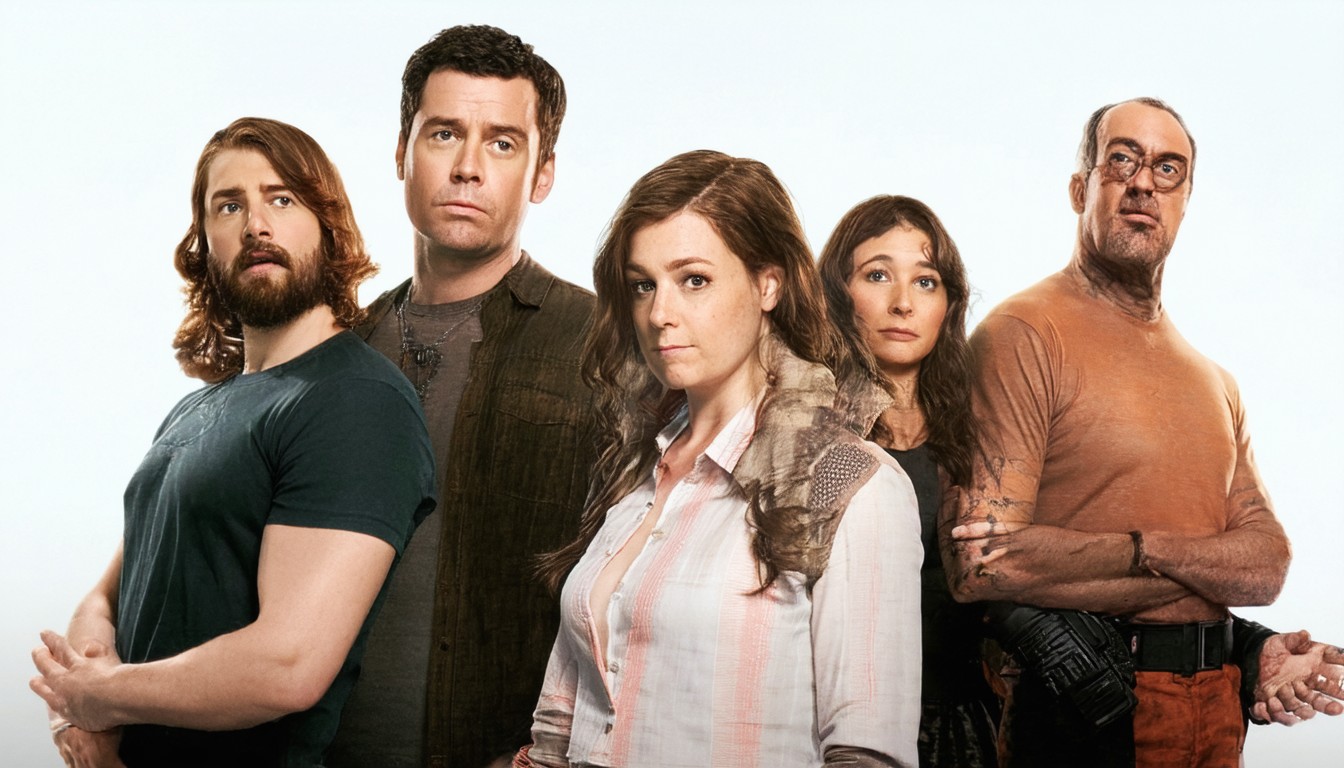

The journey of a television show often mirrors the anxieties and passions of its fanbase. When whispers of “Nobody Wants This Season 3” enter the conversation, it signals a turning point—one where anticipation shifts to skepticism, and online communities split over the merits of continuing a story. Whether this phrase reflects legitimate concerns or becomes a rallying cry for dissatisfied viewers, understanding fan reaction to a controversial third season provides insight into the modern TV landscape.
The Origins of Franchise Fatigue
Franchise fatigue is a well-documented phenomenon: as series extend beyond their natural lifespan, fan enthusiasm can wane. Viewers who once counted the days until release now express apathy or outright resistance.
When Storylines Overstay Their Welcome
Many shows experience diminishing returns after a successful run. By the third season, narrative arcs may feel drawn out, with writers struggling to recapture early magic. For example, acclaimed dramas like “True Detective” and “Westworld” saw divided fan reception in later seasons. The allure of fresh storytelling can give way to formulaic plotting, leaving audiences restless.
Real-World Reactions
Social media platforms provide immediate venues for feedback. Trending hashtags like #NobodyWantsThisSeason3 or critical Reddit threads reflect a vocal portion of the audience:
“When you exhaust every narrative possibility, you risk alienating those who made your show successful in the first place.”
— TV industry analyst, Maya Ortiz
As Ortiz notes, creative redundancy isn’t just a flaw in the writer’s room—it’s a risk to the show’s long-term legacy.
Fan Sentiment in the Digital Age
A show’s third season is rarely judged in isolation. Online sentiment, shaped by streaming culture and binge-watching habits, can tilt a franchise’s fortunes overnight.
The Data Behind Declining Interest
While precise streaming figures aren’t always public, industry trackers consistently report viewership drops for shows entering later seasons without significant reinvention. Content creators face mounting pressure to balance sustainable character development with the shock-value twists that drive virality.
- Polls on entertainment websites often reveal double-digit decreases in fan enthusiasm between early and later seasons.
- Social media analysis points to increased negative sentiment, especially if a series ignores unresolved questions from prior seasons.
The Power of Fandoms to Influence Creators
Engaged fanbases can rally in support of—or in protest against—continued seasons. High-profile examples include #ReleaseTheSnyderCut for “Justice League,” underscoring fan agency in shaping studio decisions. Conversely, fan backlash doomed shows like “Game of Thrones” to reputational challenges after controversial finales.
Why Some Stories Should End Sooner
Risk of Diluting Core Themes
Narrative repetition is among the greatest hazards of stretching a series. A show built on mystery or high-concept drama may fish for new conflicts, eroding what resonated originally. Viewers sense when stories continue more for commercial reasons than authentic creative need.
Creator Interviews and Industry Wisdom
Showrunners navigating “season 3 fatigue” often cite two core tensions: network demand for content and a desire to preserve a series’ integrity. As one veteran producer stated at a recent festival:
“Ending a story on your own terms is a rarity in the current TV ecosystem, but it’s often what preserves its impact long-term.”
Exceptions to the Rule: When a Third Season Works
Beyond skepticism lies the rare show that justifies another renewal. Well-executed third seasons—like those from “Stranger Things” or “The Crown”—refresh the narrative without alienating loyalists. The common thread? Ambitious storytelling, willingness to take creative risks, and a deep respect for audience intelligence.
Ingredients for Success
- Evolution, Not Repetition: Iconic series evolve their tone or setting, keeping both characters and viewers guessing.
- Respect for Closure: Tying up old threads shows commitment to the story rather than to franchise expansion alone.
- Engagement With Fandom: Transparent communication about creative choices can turn skeptics into evangelists.
The Broader Industry Backdrop
Studio economics and changing viewer expectations drive the decision to pursue later seasons. With streaming services demanding original content, green-lighting additional seasons is as much a business calculation as an artistic one. However, the risk of reputational damage lingers: too many underwhelming continuations and even big-budget projects can stumble.
Lessons for Future Productions
Forward-thinking showrunners now plan narrative arcs with finite endpoints. Limited series and anthology formats have gained favor, precisely because they protect against “season fatigue.” For every “nobody wants this season 3” backlash, there’s an opportunity for studios to rethink how they build—and end—successful franchises.
Conclusion
The phrase “Nobody Wants This Season 3” encapsulates a wider debate about storytelling, commercial imperatives, and the evolving contract between show creators and fans. While some series thrive in later seasons with bold creative choices, many face diminishing returns when stretching beyond their natural conclusion. Ultimately, honest engagement with audiences and careful attention to narrative integrity are key to sustaining both a franchise’s popularity and its cultural legacy.
FAQs
Why do fans oppose a third season of certain shows?
Fans often worry that additional seasons will dilute the story, undermine earlier plotlines, or repeat tired themes, leading to a less satisfying viewing experience.
Are there TV shows where the third season actually improved or refreshed the series?
Yes, some series like “Stranger Things” and “Fargo” are frequently cited as examples where a third season took creative risks and maintained or boosted critical acclaim.
How do studios decide whether to continue a series after two seasons?
Studios weigh factors such as viewership metrics, critical response, social media buzz, and the cost versus projected subscriber retention benefits before renewing for further seasons.
What strategies help prevent 'season fatigue'?
Planning a finite storyline, evolving the narrative scope, and actively responding to audience feedback can help maintain momentum and avoid burnout.
Can fan backlash stop a third season from being produced?
While uncommon, strong negative sentiment—especially when highly visible online—can prompt studios to cancel or significantly revise their production plans.
Is franchise fatigue unique to television, or does it affect other entertainment industries?
Franchise fatigue is seen across entertainment sectors, including film, video games, and book series, wherever stories are prolonged beyond their organic endpoint.
