

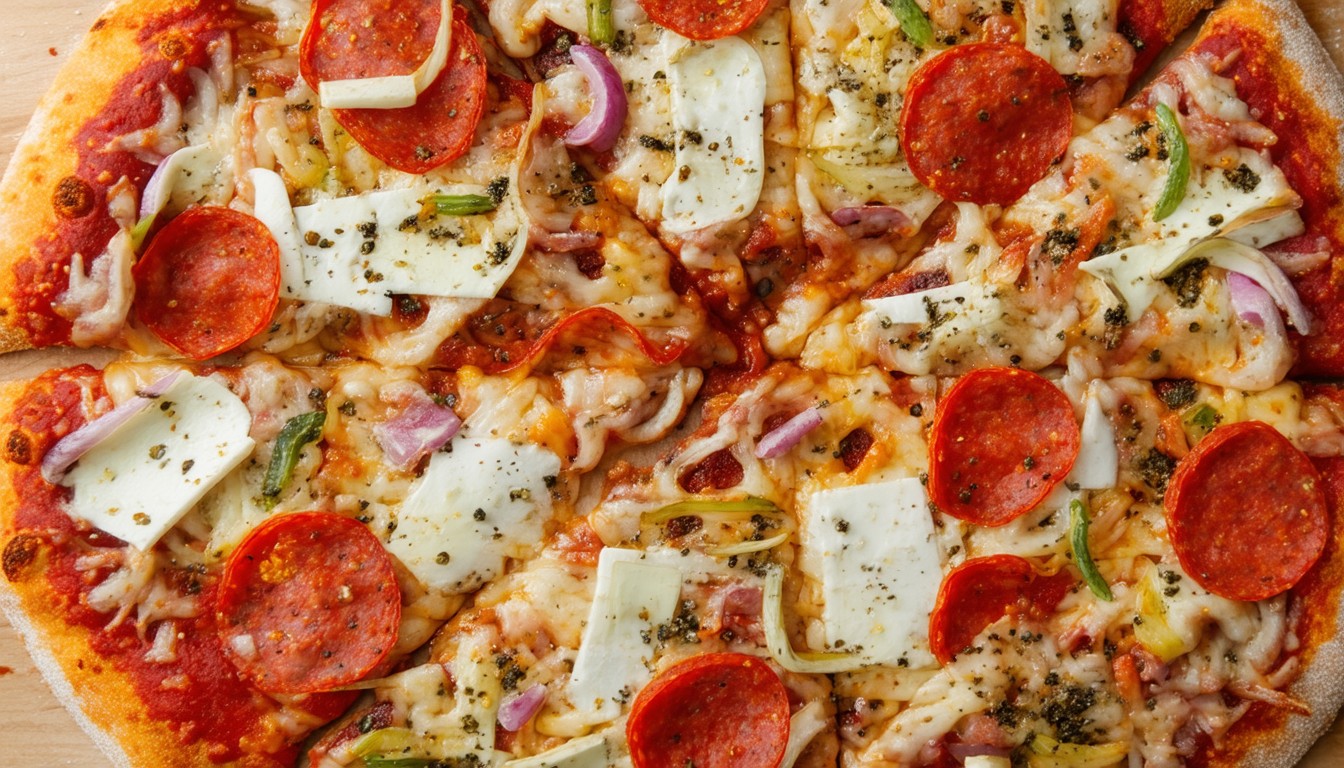

Across cultures, continents, and generations, pizza stands as a universal symbol of comfort, creativity, and community. From neighborhood pizzerias in Naples to innovative food trucks in New York City, pizza has evolved well beyond its Italian origins to become one of the world’s most beloved—and customized—foods. The global pizza market continues to grow steadily, fueled by trends toward artisanal ingredients, dietary inclusivity, and ever bolder topping combinations. This "Pizza Edition" serves as a deep dive into the essential components of great pizza: the toppings, the crusts, and the recipes that bring it all together.
Decoding Pizza Toppings: Classics and Creative Trends
The Foundation of Flavor: Classic Toppings
While pizza invites experimentation, certain toppings have stood the test of time. Pepperoni remains America’s favorite, with mushrooms, Italian sausage, onions, and green peppers rounding out the most-requested list. Many Italian purists prefer the minimalism of a Margherita—just San Marzano tomatoes, fresh mozzarella, basil, and olive oil—where the harmony of each ingredient is allowed to shine.
The World Beyond Pepperoni: Global Topping Innovations
As pizza legends travel the globe, local adaptations emerge. In Brazil, green peas dot pizzas, while in Japan, eel and mayonnaise offer unexpected yet beloved flavors. Plant-based toppings, like jackfruit “pulled pork” or vegan cheese, reflect a shift toward healthier and more inclusive options. According to Technomic’s foodservice insights, vegetarian and globally inspired pizza varieties are growing at double-digit rates in major urban centers.
"Pizza’s continued adaptability to local tastes and health trends is what keeps it relevant for every new generation of consumers," says Lorraine Jackson, a restaurant industry analyst.
Emerging Stars: Unique and Trending Toppings
Modern pizzerias now champion specialty items: truffle oil, buffalo chicken, roasted Brussels sprouts, or even figs and Gorgonzola. Regional specialties, such as California’s barbecue chicken pizza or Detroit’s brick cheese-topped pies, showcase local pride. These trends highlight pizza’s role as a culinary canvas.
Exploring Crusts: The Architecture of Good Pizza
Neapolitan to New York: A Crust for Everyone
Crust is more than a vessel—it’s an identity. Traditional Neapolitan crusts are airy, slightly chewy, and charred from blisteringly hot wood-fired ovens. In contrast, New York-style slices are thin, foldable, and perfectly suited for eating on the go. Chicago’s deep-dish offers a buttery, pie-like crust cradling layers of cheese and hearty sauce.
Modern Variations: From Gluten-Free to Cauliflower
In response to evolving dietary needs, gluten-free, cauliflower, and whole wheat crusts have become widely available. Many independent pizzerias and national chains have debuted these alternatives, ensuring that more people can enjoy a great pie regardless of dietary restrictions.
Crisp, Chewy, or Crunchy? How Texture Shapes Tastes
Texture specialists and food scientists note that crust texture has a surprising impact on consumer satisfaction. Crispier crusts tend to hold up better to wetter toppings, while chewy crusts allow subtle fermentation flavors to shine. Dough fermentation time, hydration levels, and oven technology all factor into the final bite.
Recipe Frameworks: Building the Perfect Pie at Home
The Home Pizza Movement
The COVID-19 pandemic accelerated interest in homemade pizza, as more people invested in pizza stones, steel baking surfaces, and even backyard ovens. Sourdough bases and slow-rise doughs have become the hallmark of ambitious home cooks, a trend reflected in social media’s thriving “pizza edition” feeds.
Pizza Dough: Basics and Pro Tips
Every great pizza starts with the dough. Classic recipes require only flour, water, yeast, and salt—but the method makes the difference. Allowing dough to ferment overnight in the refrigerator develops richer flavor and a superior crumb structure. Many chefs advocate high-hydration doughs (70%+ water-to-flour ratio) for a lighter, airier crust.
Sauce, Cheese, and Assembly
Quality sauce and cheese are equally vital. Use whole peeled tomatoes (crushed by hand or blender) for a fresher, less processed sauce. For cheese, whole-milk mozzarella outperforms its part-skim counterpart in melt and flavor, though blending with provolone or even fontina is gaining popularity—especially for regional specialties.
Step-by-Step: Building an Artisan Pizza at Home
- Stretch the dough gently—avoid rolling pins for better air pockets.
- Spread a thin layer of sauce, resisting the urge to over-saturate.
- Sprinkle cheese evenly, then layer toppings sparingly for even cooking.
- Bake in a preheated oven (ideally on a heated stone at 500°F+).
- Finish with fresh herbs, a drizzle of high-quality olive oil, or chili flakes.
Pizza in Practice: Trendsetting Pizzerias and Real-World Inspiration
Many pizzerias are redefining what pizza can be. Chains like MOD Pizza offer “build-your-own” models with dozens of toppings, while independent spots such as Roberta’s in Brooklyn are known for bold, seasonal ingredients—think kale, preserved lemon, or wild mushrooms. These establishments mirror a greater trend toward personalization and ingredient transparency.
Social media platforms, particularly Instagram and TikTok, have provided a global stage for creative pies. User-generated content inspires home bakers to share unusual combinations, review local favorites, and champion regional differences. The #PizzaEdition hashtag boasts millions of posts, underscoring pizza’s hold on popular culture.
Conclusion: Why Pizza’s Evolution Matters
Pizza’s enduring popularity lies in its endless potential for reinvention. Whether sticking to classics or indulging in avant-garde toppings, the heart of pizza remains the joy of sharing and creative expression. As tastes and dietary considerations shift, pizzerias and home cooks alike find new ways to honor tradition while testing the boundaries of what “the pizza edition” can mean. For both purists and experimentalists, pizza remains more than a meal—it’s an experience.
FAQs
What are the most popular pizza toppings globally?
Pepperoni, mozzarella, mushrooms, and bell peppers are consistently popular, but regional preferences introduce variety such as tuna in Germany or corn in Japan.
How do different crust styles affect the flavor and eating experience?
Neapolitan crusts offer a soft, chewy bite and smoky flavor, while New York-style is crisp yet foldable and suited to by-the-slice eating. Thick or deep-dish crusts provide a heartier, more bread-like experience.
Are there healthy alternatives for traditional pizza ingredients?
Yes, gluten-free, cauliflower, and whole wheat crusts cater to health-conscious diners. Plant-based cheeses and vegetable-heavy toppings are also trending.
What tips help make restaurant-quality pizza at home?
Use high-quality ingredients, let dough ferment slowly for depth of flavor, and bake on a hot surface such as a pizza stone or steel for crispness.
How is pizza evolving in today’s food scene?
Pizzerias are experimenting with globally inspired toppings, customizable formats, and ingredient transparency. The emphasis on quality, inclusivity, and creativity has never been greater.
