

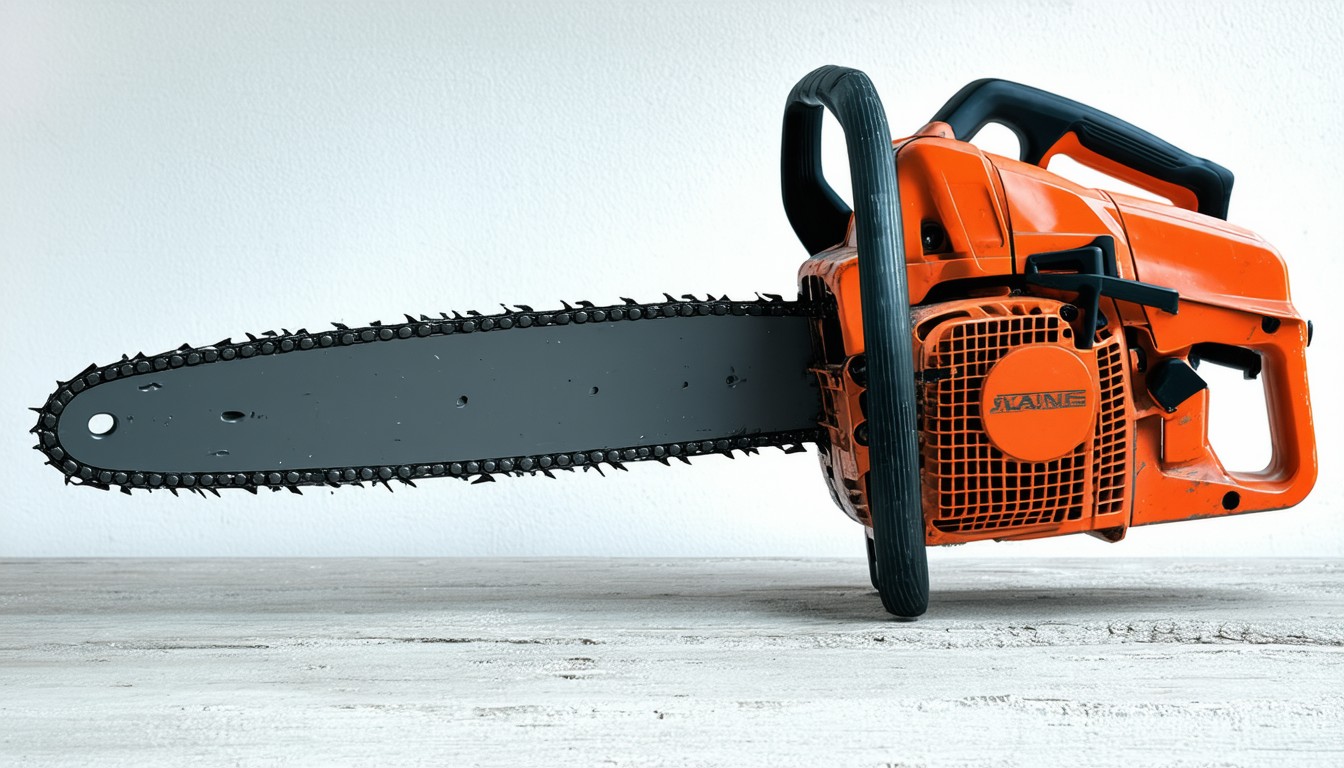

The chainsaw is now synonymous with lumberjacks, roaring engines, and felling mighty trees. But among pop culture and online memes, a curious question often emerges: “Why were chainsaws invented?”—usually paired with a punchline that spirals into humorous, if sometimes dark, territory. Thanks to viral jokes and social media, the answer has become the subject of endless internet memes, misinformation, and more than a few nervous chuckles.
Yet the real, lesser-known roots of the chainsaw are both stranger and more remarkable than what many would guess. Far from being born in the forests for timber, the original chainsaw was an invention tied to the operating rooms of 18th-century medicine. This intersection of fact, folklore, and internet humor creates a unique lens through which to explore both technology’s evolution and the power of collective storytelling.
A Serious Start: The Chainsaw’s Medical Invention
Chainsaws and Childbirth: Stranger Than Fiction
The idea that chainsaws were invented for tree-cutting isn’t just a punchline—it’s actually a misconception. The first chainsaw-like device, known as the osteotome, was created in the late 18th century by Scottish doctors John Aitken and James Jeffray. Their primary motivation? To make the process of symphysiotomy (surgically cutting the pelvis to assist in childbirth when babies were too large to pass naturally) less time-consuming and more precise. Prior to this, surgeons relied on small knives—an arduous and traumatic procedure.
The early tool was hand-cranked, featuring a small serrated chain that rotated around a guiding blade. Much less intimidating than today’s machinery, but still a far cry from modern surgical instruments.
"Medical history is filled with inventions that seem shocking when viewed through today’s lens; the chainsaw’s origins in surgery exemplify how necessity and innovation sometimes create unexpected tools,” observes Dr. Sarah Conway, a medical historian at London’s Wellcome Trust.
How Medical Tools Became Timber Tech
While it might strain the imagination, the leap from the operating theater to the forest took time. Over several decades, inventors improved on the original medical design, adjusting its scale and mechanism, ultimately making it robust enough for woodworking and logging. By the early 20th century, mechanized chainsaws fully replaced axes and handsaws in commercial forestry, changing the industry forever.
Chainsaw Jokes: Where Fact Meets Folklore
The Viral Meme: “Why Were Chainsaws Invented?” Goes Online
In the era of digital humor, the story of the chainsaw’s invention has become ripe meme material. The phrasing “why were chainsaws invented joke” is now shorthand for one of the internet’s favorite setups—because the punchline (“to assist in childbirth,” delivered deadpan) is both absurd and, surprisingly, true.
The contrast between our modern association with gruesome horror films or tree cutting and the delicate, if alarming, origins in motherhood amplifies the comedic impact. Twitter, Reddit, and TikTok have all seen waves of viral posts riffing on this bizarre historical tidbit.
Yet, as the tale spreads, so does confusion. Many believe the joke is too far-fetched for reality, while others embellish the story for shock or laughs.
Humor in Dark History
The chainsaw’s medical backstory walks the fine line between fascinating history and dark humor. This dynamic highlights a deeper, ongoing trend—using comedy as a tool to process uncomfortable truths from history.
Comedians, writers, and meme creators all tap into the shock value, inviting audiences to investigate further, turning what could be mere trivia into viral content.
A notable example is the popular YouTube explainer and numerous TikTok stitches, where creators deadpan explain the origin to unsuspecting friends. The mix of disbelief, nervous laughter, and googling that follows provides a case study in how fact, humor, and digital virality intersect.
The Evolution: From Operating Rooms to Lumber Yards
Chainsaws and the Timber Industry
As the design continued to evolve, engineers and inventors in the 19th and 20th centuries moved the chainsaw away from medical procedures—thankfully!—and into logging. The arrival of gas-powered chainsaws in the 1920s and ‘30s marked a new era for forestry. Timber could be harvested at unprecedented speeds, changing global construction, manufacturing, and the day-to-day life of workers.
By World War II, chainsaws were largely mechanized, lighter, and more efficient, revolutionizing a centuries-old profession. Today’s chainsaws bear little resemblance to their hand-cranked predecessors, refined by decades of engineering into specialized tools for everything from art (chainsaw carving) to disaster relief.
Cultural Impact and Present-Day Associations
Despite their origins, chainsaws are now mostly linked to horror movies (see: “The Texas Chainsaw Massacre”), viral Halloween costumes, and extreme sports. This disconnection between roots and reputation makes the historical “joke” even more impactful, a jolt of cognitive dissonance that fuels its memetic appeal.
"Sometimes, history’s strangest truths only go viral because they contradict everything we think we know," notes Alex Wong, a digital culture columnist.
Why the Chainsaw Joke Endures
The Anatomy of a Viral Factoid
The staying power of the “why were chainsaws invented joke” comes down to a few key factors:
- Shock Value: Most people expect a practical, outdoorsy answer. Learning about its obstetric origins is genuinely surprising.
- Brevity: The question format lends itself to punchy online content.
- Shareability: Outrageous facts with real backing are meme fuel, making them easy to spread.
- Duality: The story is both funny and slightly uncomfortable—a proven recipe for viral success.
This cocktail of surprise, veracity, and meme-ability has made the chainsaw’s historical backstory a staple of internet trivia.
Conclusion: Laughing with History
The true story behind "why were chainsaws invented" is stranger—and, in its own way, funnier—than any internet punchline can capture. What began as a medical tool to aid in daunting surgeries has, through time and technology, become a standard symbol of timber work and pop-cultural horror. The intertwining of dark origins with viral humor reflects how society processes surprising truths, reinterpreting discomfort through the lens of comedy.
Whether the story elicits nervous laughter or fascinated inquiry, it underscores that even today’s most familiar tools can hide surprising secrets—and that humor remains a vital companion to historical curiosity.
FAQs
Why do people joke about the invention of chainsaws?
People joke about chainsaws’ origins because the true story—that they were invented for obstetric surgery—is shocking and seems at odds with their current use. The contrast between expectation and reality makes it a natural fit for viral humor.
Were chainsaws really invented for childbirth?
Yes, the earliest chainsaw-like device was created to aid in a surgical procedure during childbirth, known as symphysiotomy. It was designed to make bone-cutting quicker and slightly less traumatic.
How did chainsaws go from medical tools to logging equipment?
Over time, the chainsaw’s design was adapted and scaled up for industrial uses, particularly in forestry. As engineering advanced, it became powerful enough to cut through wood, leading to its adoption in logging by the early 20th century.
Are there other inventions with surprising origins like the chainsaw?
Many inventions have unexpected pasts; for instance, duct tape was originally created for the military, and bubble wrap was intended as wallpaper. The chainsaw’s history is especially memorable due to its dramatic leap from surgery to forestry.
Is the “chainsaw joke” historically accurate?
The core of the joke—chainsaws being invented for childbirth-related surgery—is accurate, though modern chainsaws are far removed from their surgical ancestors. The humor lies in juxtaposing that obscure truth with today’s common knowledge.
